A beautiful room can be undermined by one avoidable compromise: a carpet that is almost the right colour, almost the right size or joined where the eye naturally falls. The bespoke flooring process is designed to remove those compromises by making the floor specifically for the room, rather than asking the room to accommodate a standard roll.
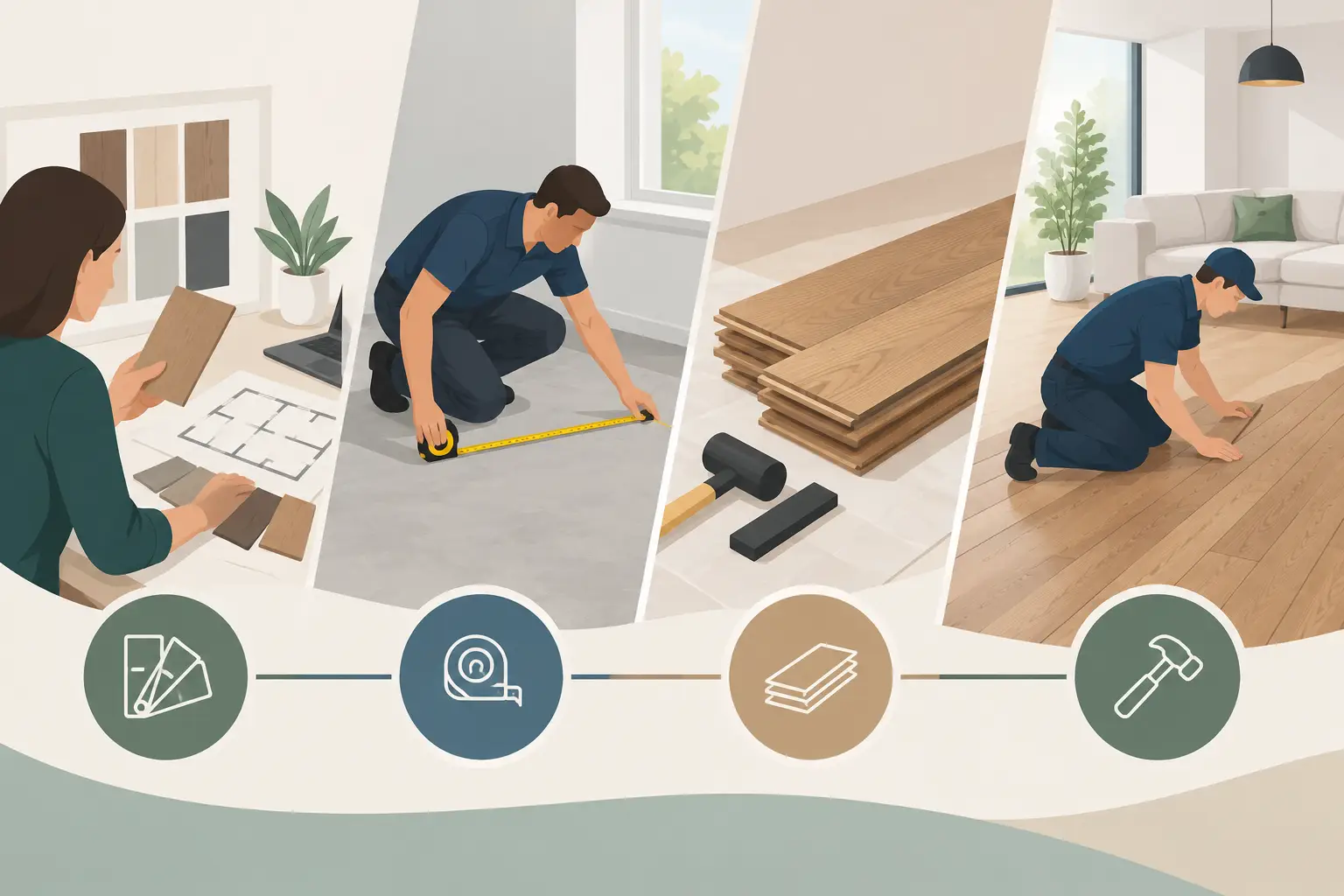
For homeowners planning a considered renovation and interior designers working to a precise scheme, this means more than choosing a carpet from a sample rack. It is a coordinated service of measurement, colour selection, material choice, manufacture and fitting. Each stage affects the finished result underfoot and across the room.
Start with the room, not a stock roll
A bespoke carpet should begin with how the room will be used. A quiet bedroom, a formal drawing room, a busy staircase and a large open-plan space all place different demands on pile, resilience and appearance. The furniture layout matters too. A border may frame a seating area beautifully, while a plain carpet can allow architectural details, curtains and upholstery to take the lead.
At this early stage, proportions are as important as personal taste. Standard carpet widths can force joins into a wide room, or create unnecessary offcuts that have been paid for but will never be used. By manufacturing to a plan, it is possible to specify the dimensions required and consider the direction of the pile before production begins.
This is particularly valuable in larger rooms. Wide-width bespoke carpet, made up to 35 feet wide, can often be fitted without the visible joins associated with narrower retail rolls. The result is calmer, more continuous and properly considered – especially in rooms with strong daylight or an uncluttered interior scheme, where joins are far easier to notice.
The bespoke flooring process begins with measurement
Accurate measuring is the foundation of a successful installation. It is not simply a matter of recording the length and width of a room. Alcoves, bay windows, hearths, door thresholds, fitted furniture, steps and irregular walls all need to be allowed for. In older properties especially, rooms are rarely as square as they first appear.
A professional survey establishes the true floor area and identifies practical details before an order is placed. It also allows the fitter to assess access, subfloor condition and transitions into adjoining spaces. If there is an existing floor covering to remove, or doors that may require adjustment, those points can be discussed in advance rather than becoming an unwelcome surprise on fitting day.
At Colourmatched Custom Carpets, free measurement and design advice form part of the service because they protect the quality of the final installation. A no-obligation quotation can then be based on the actual requirements of the room, with underlay and fitting included in the stated square-metre price. That is a clearer route to value than an attractive headline price followed by additions for essentials.
Choose colour with the whole scheme in view
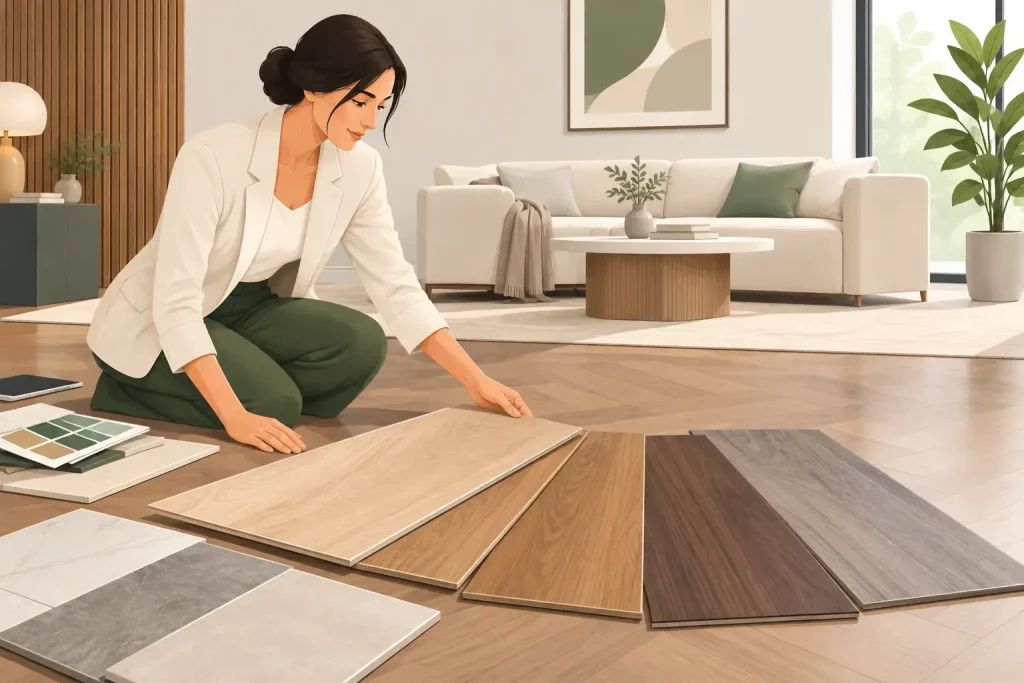
Colour is often where a bespoke floor makes the greatest difference. A standard neutral may look acceptable in isolation, yet turn too cool beside warm timber, too yellow against painted cabinetry or too flat alongside richly textured fabrics. Ordering samples first gives you the opportunity to view colour in the room where it will live.
Look at samples in daylight, in evening lamp light and beside key finishes such as curtains, wall paint, upholstery and joinery. A carpet covers a substantial visual area, so the right shade should support the room rather than compete with it. In a layered, tonal scheme, a closely matched colour can create a peaceful, tailored effect. In a bolder room, a contrasting border can bring structure and definition.
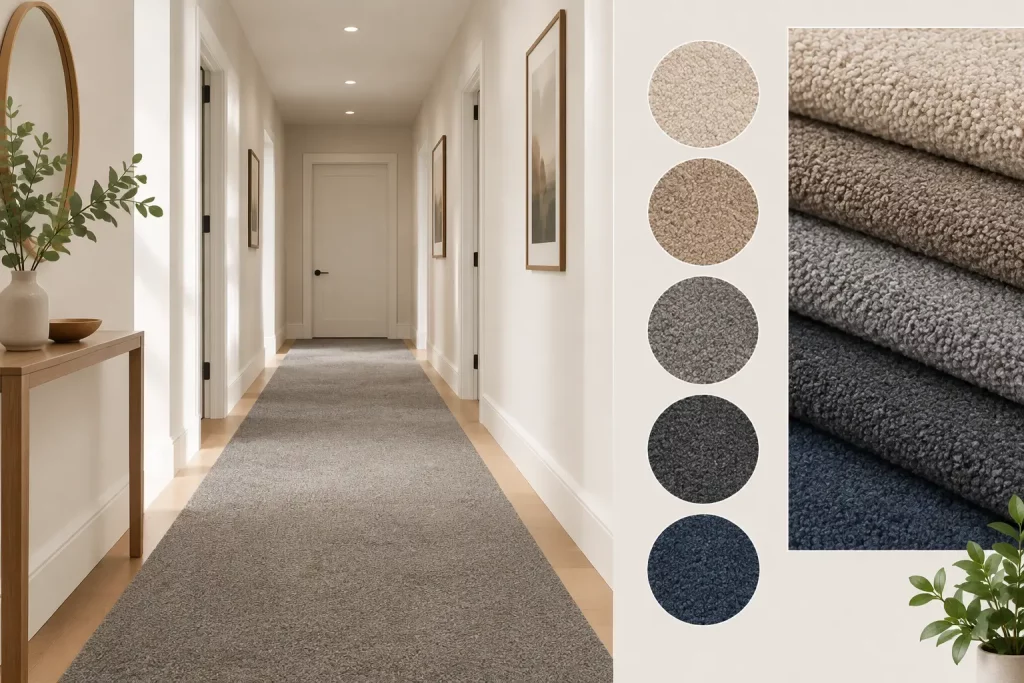
With more than 3,000 colour options available, the choice is not limited to whatever happens to be held in stock. Exact colour matching is especially useful for designers coordinating a complete scheme, and for homeowners who have already selected fabrics or painted finishes they do not want to compromise.
Plain carpet, borders and custom shapes
Plain deep-pile carpet is a classic choice for a luxurious, uninterrupted floor. It can make a smaller room feel more generous and lets quality materials speak for themselves. A bordered carpet introduces another design opportunity, whether that is a discreet tonal edge, a crisp contrasting line or a feature that echoes furniture and curtain details.
The best treatment depends on the room. A border needs enough clear floor around it to be appreciated, so it may not suit a heavily furnished space. Conversely, it can bring real balance to a large bedroom, hallway or reception room. Custom-made rugs are equally useful where a fully carpeted floor is not required but a tailored scale, shape and colour are essential.
Select the pile for comfort and performance
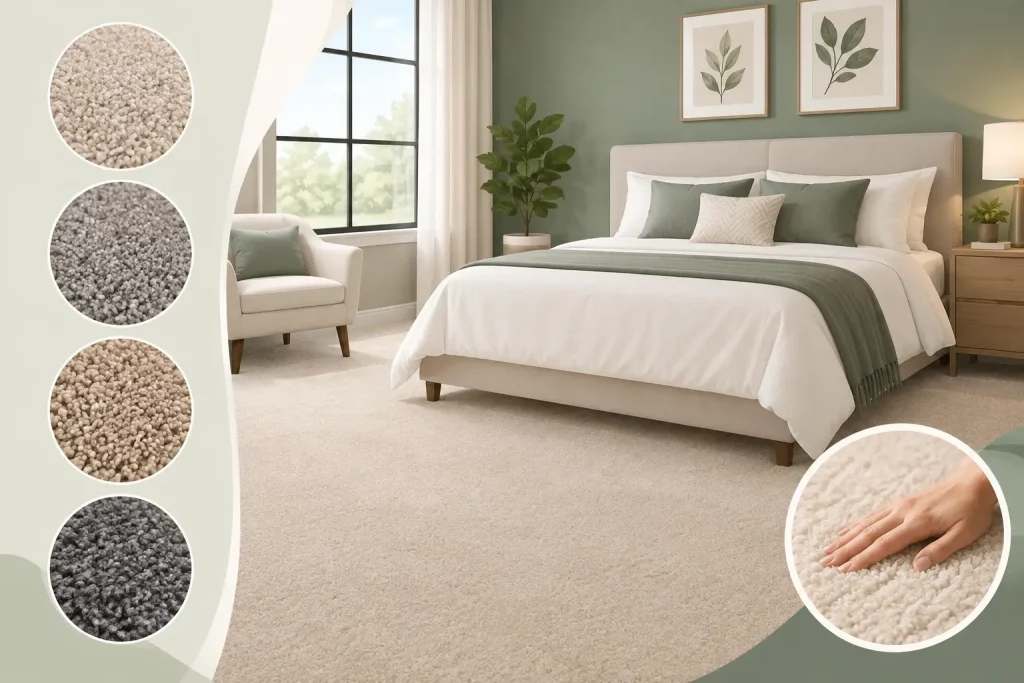
Luxury begins with material, but the right choice is also practical. A 100% pure new wool deep-pile velvet offers a sumptuous, refined appearance and pure luxury underfoot. Its dense, velvety surface works particularly well in bedrooms, dressing rooms and formal living areas where softness and visual richness are priorities.
An 80/20 wool-nylon deep-pile twist combines wool’s natural warmth and character with added durability from nylon. This makes it a strong option for family rooms, halls, stairs and other areas where regular use calls for a resilient finish. Both qualities are made for customers who want depth, comfort and long-term appeal rather than a thin, short-lived floor covering.
There is no single correct answer. A velvet pile may be the preferred choice where the room is low traffic and the look is paramount; a twist can be more appropriate where day-to-day wear is greater. The point of a specialist service is to discuss that trade-off openly, then recommend the quality that suits the room rather than simply the product that is easiest to sell.
Manufacture to the agreed plan
Once the survey, design and quotation are approved, the carpet is made to the agreed dimensions and specification. This is where factory control matters. Manufacturing directly for the order avoids the limitations of pre-cut retail stock and helps reduce the material waste often created by buying off the roll.
The plan will account for the required width, pile direction, border details and any shaped sections. In a room where a join cannot be avoided, its placement should be considered carefully. Where wide-width manufacture makes a join-free installation possible, the result has a noticeably more refined finish, with the pile flowing consistently across the floor.
Direct manufacture also means there are no unnecessary layers between the customer, the maker and the fitter. That allows Colourmatched Custom Carpets to provide genuine factory prices while retaining control over the details that determine whether bespoke flooring looks exceptional when it is fitted.
Prepare the floor properly before fitting
Even the finest carpet will not perform as it should over a poor base. Before installation, the subfloor must be dry, sound and suitably level. Loose boards, uneven areas or damaged surfaces may need attention first. This is not an optional extra for a premium finish – it is part of protecting it.
Quality underlay is equally important. It improves comfort, supports the carpet pile, helps with insulation and can extend the useful life of the flooring. It also contributes to the softer, deeper feel that customers expect from a luxury deep-pile carpet. Including underlay and fitting within the quoted price keeps the process transparent and avoids treating vital components as unexpected extras.
Professional fitting is the final precision step
Fitting is where careful planning becomes a finished room. The carpet must be cut accurately around architectural features, stretched correctly and secured with clean edges at thresholds and doorways. Borders require particular care: they must sit straight and evenly, following the room’s lines rather than exposing any irregularities in them.
An experienced fitting team will work methodically, taking care of pile direction and making certain that the carpet lies smoothly across the full area. The difference is visible in the details – neatly finished corners, correctly aligned borders and a floor that feels secure and luxurious from the first step.
A bespoke floor is a considered purchase, so take time with samples, ask how the carpet will be manufactured for your room and make sure measurement, underlay and fitting are clearly accounted for. When every stage is handled by one accountable specialist, the final result is not simply carpet that fits. It is flooring that belongs in the room.