A carpet can either quietly support a room or dictate its entire feel. Get the colour, texture and proportion right and the space looks considered from the floor up. If you are wondering how to choose carpet, begin with the room itself: how it is used, how much natural light it receives, and whether the flooring must complement existing furniture, curtains or joinery.
For a premium renovation, carpet should not be treated as an afterthought once the paint is dry. It is one of the largest visible surfaces in the room and has a major effect on comfort, acoustics and the finished standard of the interior. A bespoke approach gives you far more control than choosing from a narrow selection of standard rolls.
How to choose carpet by room and lifestyle
The best carpet for a formal drawing room will not necessarily be the best choice for a busy staircase, family bedroom or hallway. Start by being honest about footfall. A reception room that is used mainly in the evening can accommodate a luxurious deep-pile velvet, while a frequently used landing or corridor benefits from a resilient construction that will continue to look smart under regular traffic.
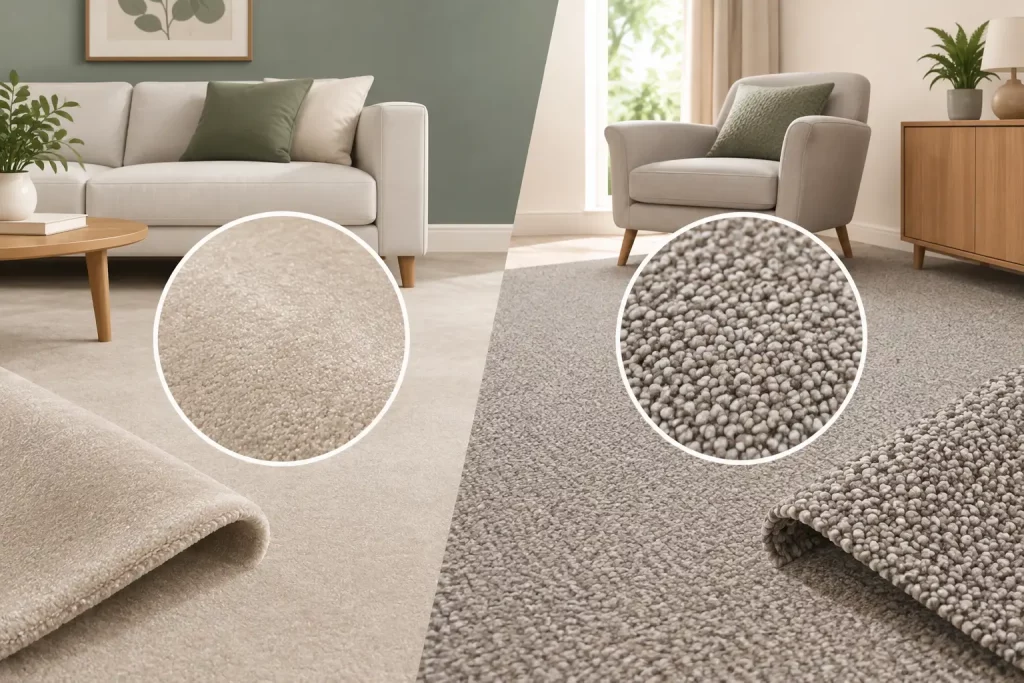
For bedrooms, softness and warmth are often the priority. A deep-pile wool carpet brings a particularly inviting feel underfoot and helps make a private space feel calm and finished. In living rooms, the decision may come down to the character of the scheme. Velvet has a rich, smooth appearance that suits elegant, design-led interiors, whereas a twist pile offers more texture and a practical, adaptable finish.
Stairs require special consideration. They are highly visible, subjected to concentrated wear and shaped by every tread and turn. A quality wool-rich twist is often a sensible choice here, particularly when it is professionally measured and fitted to follow the staircase cleanly. If your stair carpet is intended to be a feature, a bordered runner can introduce definition without compromising the wider design.
Choose the right fibre and pile
Material affects appearance, performance and the way carpet feels every day. For homeowners investing in a long-term interior, wool remains the benchmark. It has natural warmth, resilience and a depth of colour that synthetic alternatives struggle to reproduce.
A 100% pure new wool deep-pile velvet is chosen for pure luxury underfoot. Its dense, refined surface works beautifully in bedrooms, dressing rooms and formal living spaces, especially where the aim is a polished, sophisticated finish. As with any velvet pile, light and foot movement can create gentle shading or tracking. This is part of its character rather than a flaw, but it is worth understanding before you commit.
An 80/20 wool-nylon deep-pile twist combines the natural quality of wool with additional durability from nylon. It is an excellent all-round choice for active homes, halls, stairs and rooms where a more textured appearance is preferred. The twist construction helps disguise day-to-day marks and changes in pile direction, making it particularly practical where family life is less formal.
Do not assume that a firmer carpet is automatically more hard-wearing, or that the deepest pile is always the most luxurious choice for every room. The right specification depends on the setting, the quality of the material and the support underneath it. A good supplier should explain these differences plainly and let you handle samples in your own home.
Set the colour before you fall for a sample
Colour is usually the most personal part of choosing carpet, and the most difficult to judge from a showroom swatch alone. Daylight, warm lamps, wall colours and nearby fabrics can all alter the appearance of a shade. A grey that seems soft and neutral in one setting may look cold against cream walls, while a beige can appear yellow beside a cooler painted finish.
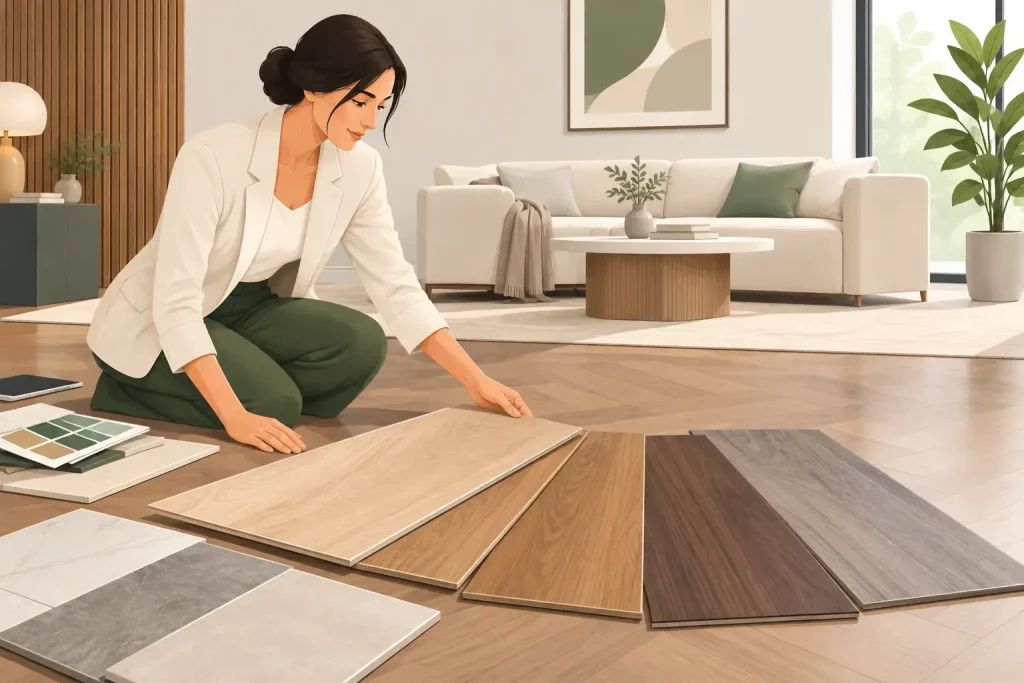
Take samples into the room and view them at different times of day. Place them next to skirting boards, upholstery, curtain fabric and any timber or stone finishes. This is particularly valuable when the carpet must tie together an established scheme rather than lead a complete redesign.
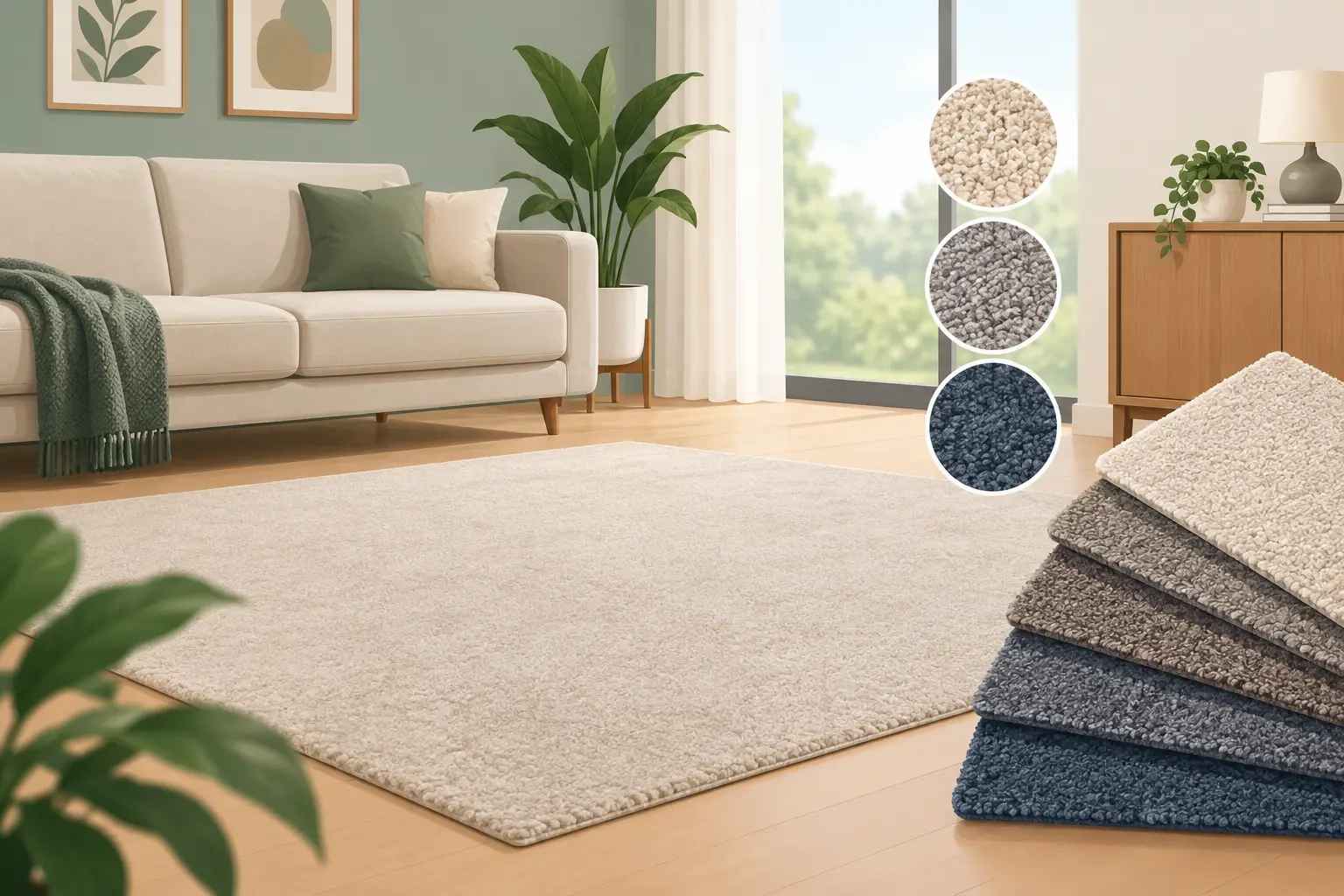
Neutral does not have to mean plain or predictable. Warm taupes, soft stones, muted greens and complex blue-greys can provide a timeless base while bringing more depth than a flat beige. Conversely, a strong colour can be highly successful when it is deliberately repeated in cushions, artwork or drapery. With more than 3,000 colour options available through bespoke colour matching, it is possible to select a tone that belongs properly within the room rather than settling for the nearest standard shade.
Think about width, joins and room proportions
Standard carpet widths can dictate a design before you have made any aesthetic decision. If a room is wider than the available roll, a join may be unavoidable. Even when neatly executed, a join can catch the light and interrupt the clean expanse of a luxury floor, particularly in velvet carpet.
Made-to-measure wide-width carpet changes the calculation. Manufacturing to the dimensions of the room can remove visible joins in spaces up to 35 feet wide and reduce the waste associated with buying off the roll. This is especially beneficial in large reception rooms, open-plan areas and rooms with unusual proportions.
Measure the full room, not simply the apparent floor area. Alcoves, bay windows, hearths, fitted furniture, doorways and changes of direction all matter. A professional survey will establish the required dimensions, pile direction and fitting details, while allowing for any pattern, border or runner design. It also prevents the unpleasant surprise of finding that a quoted price excludes necessary preparation or fitting work.
Use borders and rugs to give the floor structure
A border is not merely decorative. It can frame a seating area, echo the colour of painted woodwork or provide a deliberate visual break between carpet and walls. In a large room, a wide border can make the proportions feel more composed. In a smaller space, a narrow contrasting edge may be enough to add interest without making the floor feel busy.
Bespoke rugs offer similar flexibility where wall-to-wall carpet is not right for the whole room. They can soften a timber or stone floor, define a dining or seating zone, and introduce a colour relationship with the wider scheme. The most successful rugs are made to suit the furniture layout, rather than chosen as an afterthought in a convenient standard size.
When specifying a border, consider practicality as well as appearance. A lighter centre with a darker border can help conceal wear around the perimeter of a room, while a very pale edge in a heavily used entrance may demand more care. The detail should suit the way the room is actually lived in.
Do not overlook underlay and fitting
The quality beneath the carpet is as important as the carpet itself. Proper underlay improves comfort, supports the pile and helps the floor feel quieter and warmer. It can also extend the life of a quality carpet by reducing the strain caused by impact and foot traffic.
Professional fitting matters just as much. A superb carpet can look disappointing if it is poorly stretched, carelessly seamed or badly finished around thresholds, stairs and radiators. Correct fitting ensures that the pile runs in the intended direction, borders sit evenly and edges are secure. These are the details that distinguish a genuinely tailored floor from a standard installation.
When comparing quotations, check exactly what is included. The lowest headline figure can become less attractive once underlay, measuring, delivery, waste and fitting are added. Transparent square-metre pricing that includes underlay and professional installation makes it much easier to judge real value.
Ask for advice before placing a bespoke order
A bespoke carpet is made specifically for your home, so samples, measuring and design discussion should come before any final decision. Ask to see the material in the proposed room, discuss likely wear, and be clear about the finish you want. A specialist manufacturer can advise on whether velvet or twist is better suited to the space, how a border will sit in the plan, and whether wider manufacture can avoid joins.
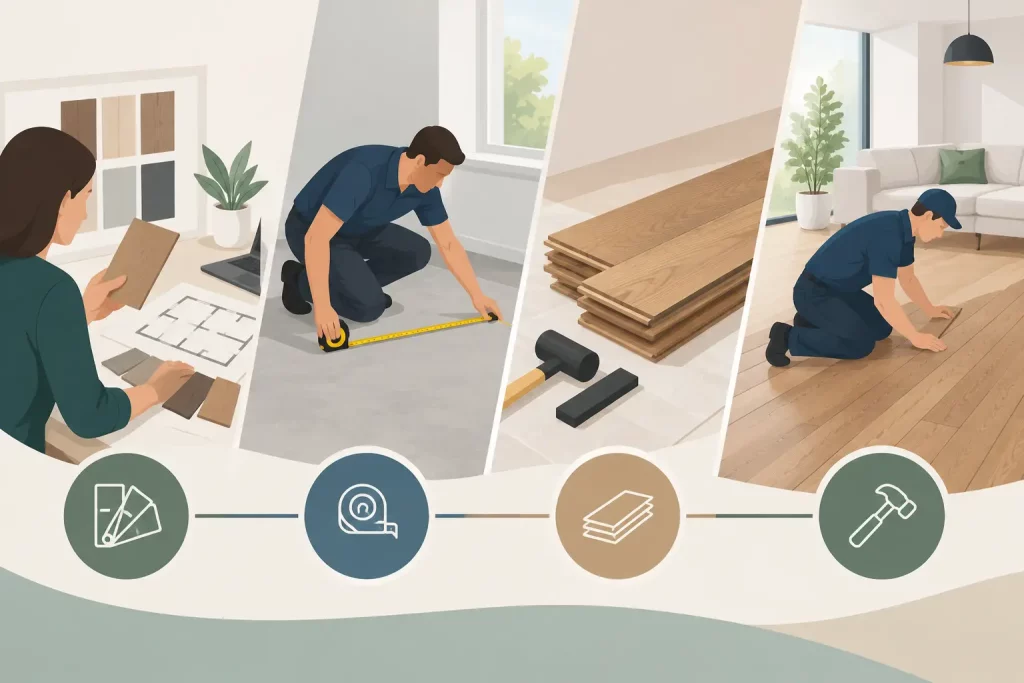
At Colourmatched Custom Carpets, the process can cover free measurement, design advice, quotation, manufacture and professional fitting nationwide, all handled by one accountable team. That direct approach keeps the specification clear from the first sample through to the final fitting, while factory-direct pricing avoids unnecessary middlemen.
The right carpet should feel considered the moment you walk into the room, not simply acceptable because it was available in a standard width or shade. Take time with the samples, trust the room’s proportions, and choose a material and finish that will continue to reward you long after the decorating is complete.