A beautifully carpeted bedroom or living room should feel warm from the moment you step into it, not act as a barrier between your underfloor heating and the room. Selecting carpet for underfloor heating comes down to balancing comfort, appearance and thermal performance. Get that balance right and you can enjoy the deep, luxurious feel of quality wool carpet alongside efficient, evenly distributed warmth.
For a premium renovation, the answer is not simply to choose the thinnest carpet available. Pile construction, fibre choice, underlay and the heating system itself all affect the result. A carefully specified bespoke carpet gives you far more scope to create the look you want without compromising how the room performs.
Start with the combined tog value
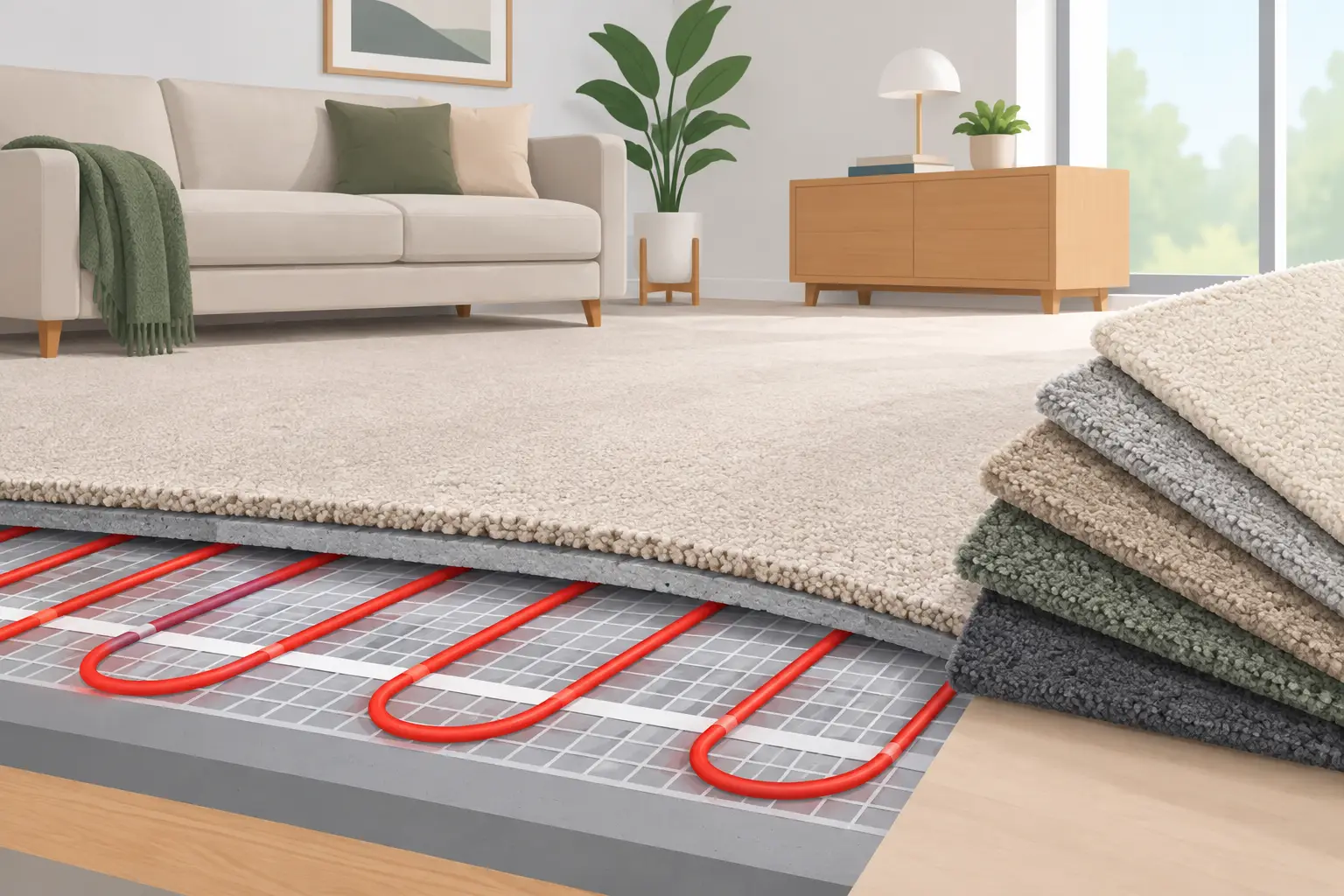
The most useful figure when selecting carpet for underfloor heating is the combined tog rating of the carpet and underlay. Tog measures thermal resistance: a higher figure means more insulation, which slows the transfer of heat into the room.
As a general guide, the combined carpet and underlay rating should normally be no more than 2.5 tog for underfloor heating. This allows the warmth to travel through the floor covering efficiently while retaining the comfort and acoustic benefits expected from carpet. Your heating installer or system manufacturer may specify a lower maximum, particularly for certain electric systems, so their guidance should always take priority.
Do not assess the carpet in isolation. A suitable carpet paired with a thick conventional underlay can push the total resistance beyond the system recommendation. Equally, an underlay designed for underfloor heating may feel slimmer than a traditional luxury underlay, but it is made to support heat transfer while still providing cushioning and helping the carpet lie correctly.
Wool carpet can work exceptionally well
There is a common assumption that wool carpet is unsuitable over underfloor heating because wool is naturally insulating. In practice, quality wool carpet can be an excellent choice when its construction and overall tog rating are properly specified.
Pure new wool velvet offers exceptional softness, rich colour and a refined surface that suits bedrooms, dressing rooms and elegant reception spaces. Wool also has a natural ability to regulate moisture and recover after use, making it a considered long-term choice for a well-used home. A deep pile will generally provide more insulation than a short pile, so the exact product specification matters.
An 80/20 wool-nylon twist is often a particularly practical option for busy family rooms, hallways and stairs. The wool gives warmth, texture and a premium appearance, while nylon adds resilience. Neither option is automatically right or wrong for heated floors. The key is selecting a carpet and underlay combination that falls within the permitted thermal resistance for your particular system.
This is where samples and proper advice are invaluable. A sample lets you assess the colour, pile and feel in the actual light of the room, while a specialist can confirm whether the proposed specification is appropriate for the heating beneath it.
Choose the underlay with equal care
Underlay is not an afterthought. It influences comfort underfoot, sound reduction, the carpet’s appearance and the speed at which heat reaches the room. For underfloor heating, ask specifically for a low-tog underlay designed for this purpose rather than relying on a general domestic option.
The best choice depends on the room. A bedroom may benefit from a softer feel, while a hallway needs dependable support to cope with concentrated foot traffic. In each case, the underlay needs to remain compatible with the carpet and the heating system. The aim is not to make the carpet feel hard. It is to avoid adding unnecessary insulation beneath an already comfortable floor covering.
Professional fitting is equally significant. Correct stretching, trimming and finishing prevent movement and rippling, while a well-prepared subfloor helps heat distribute consistently. If an existing floor has uneven areas, loose boards or moisture issues, these should be resolved before the carpet is installed.
Think about room use, not just warmth
Underfloor heating produces a different kind of comfort from radiators. It works at a lower, steadier temperature, so the flooring should allow the system to operate efficiently over longer periods. This is especially appealing in rooms where radiators disrupt the design, such as open-plan living spaces, bedrooms with fitted furniture or carefully planned period interiors.
However, room use should guide the carpet choice. A pale, deep-pile pure wool velvet can create pure luxury underfoot in a principal bedroom, but it may be less forgiving in a household entrance area. A denser wool twist in a practical mid-tone may be the better choice there, particularly if the hall leads directly from the garden or driveway.
Colour also changes how a room feels. Warm neutral shades can complement the gentle comfort of underfloor heating, while a precisely colour-matched carpet can pull together paintwork, upholstery and curtains. With bespoke manufacture, you are not limited to the nearest standard shade on a showroom rack. The carpet can be made to suit the scheme, the room dimensions and the intended finish.
Avoid unnecessary joins and excess waste
Standard carpet widths can create awkward compromises in larger rooms. A join may be unavoidable with some materials, but it is rarely the most refined result in a broad, open space. It can interrupt the sweep of a plain carpet, catch the light differently and become more noticeable over time.
Made-to-plan carpet offers a better route for rooms with unusual dimensions, bay windows, angled walls or wide expanses. Manufacturing in widths of up to 35 feet can often remove the need for visible joins altogether. It also reduces the waste associated with buying an oversized roll width and cutting away material that has no use in the finished room.
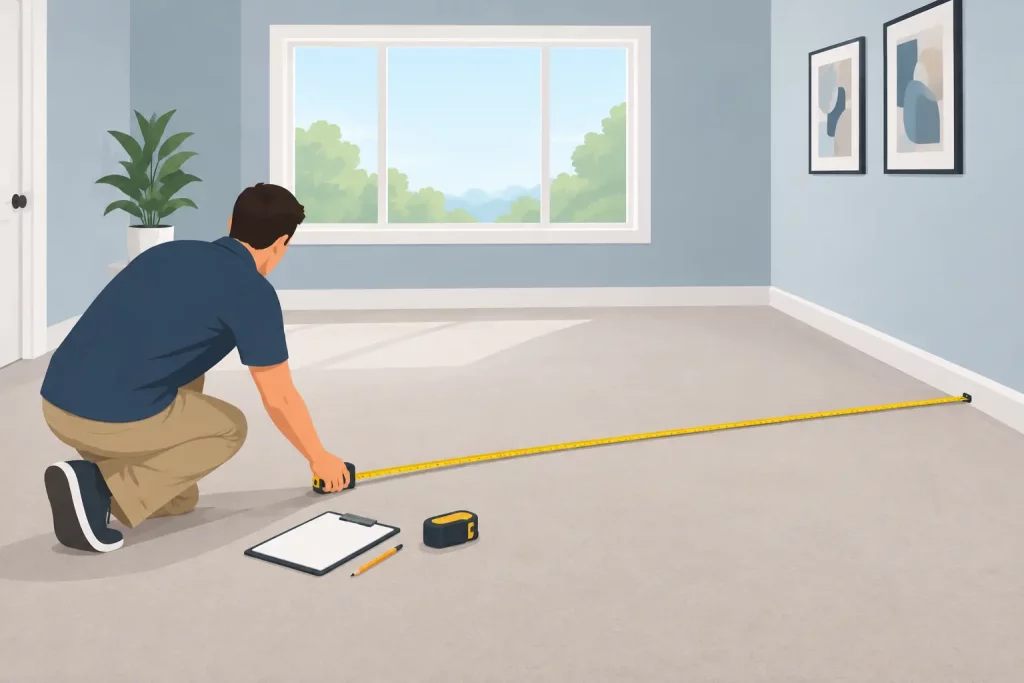
This matters with underfloor heating because a floor covering should be planned as part of the whole installation, not purchased as a final decorative layer. Accurate measurement ensures the carpet fits the room correctly, accommodates thresholds and helps the fitter produce clean, secure edges around every perimeter.
Keep the heating system within its limits
Most carpet manufacturers and underfloor heating suppliers recommend that the floor surface does not exceed around 27°C. This protects both the flooring and the system, while maintaining a comfortable indoor temperature. A correctly controlled system should reach warmth gradually rather than being turned up sharply in response to a cold morning.
Be cautious with large, heavily insulated rugs placed over carpeted heated floors. A small decorative rug may be acceptable, depending on the system, but a very thick rug can trap heat and create localised hot spots. Check the heating supplier’s instructions before using one, particularly over electric underfloor heating.
New carpet can also benefit from a sensible bedding-in period. Once fitted, follow the advice provided by the installer and heating manufacturer on introducing or increasing heat. Gradual adjustment is kinder to the entire floor build-up than abrupt temperature changes.
A bespoke specification removes the guesswork
The most successful underfloor-heated rooms are planned from the floor upwards. The heating type, subfloor, carpet pile, underlay, room use and visual scheme should be considered together. That approach avoids the costly disappointment of choosing a beautiful carpet first, then discovering the underlay or combined tog rating is unsuitable.
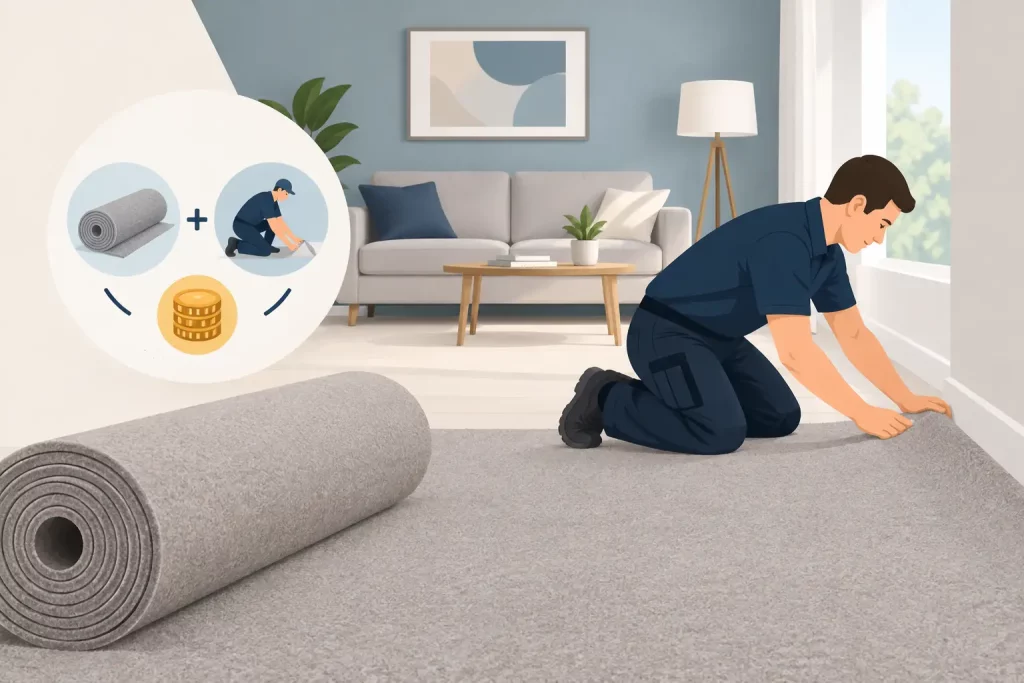
At Colourmatched Custom Carpets, our service starts with understanding the room and the finish you want to achieve. Free measurement, design advice, samples and a no-obligation quotation make it easier to specify a bespoke carpet with confidence. Manufacture, underlay and professional fitting are all considered as part of one accountable service, with no hidden extras added at the end.
A carefully chosen carpet does not have to dilute the benefits of underfloor heating. Specify the right combined tog value, choose quality materials and insist on accurate fitting, and the result is a room that looks considered, feels genuinely luxurious and stays comfortably warm when it matters most.