A rug can be the quietest element in a room, yet the wrong one is immediately apparent. It may sit slightly out of proportion, introduce a colour that fights the scheme, or feel thin underfoot despite looking acceptable in a photograph. Bespoke rug quality is about avoiding those compromises. It is the result of choosing the right material, pile, construction and finish for the exact room it will live in.
For a premium interior, a made-to-measure rug should not be treated as a smaller version of an off-the-shelf floor covering. It needs to relate to the furniture layout, the natural light, the colours in the upholstery and the way the room is used. When it is properly specified and manufactured, it brings a sense of order and luxury that standard sizes and limited retail colour ranges rarely achieve.
What Bespoke Rug Quality Really Means
Quality begins long before the rug is cut. It starts with a clear plan: the dimensions, the placement of furniture, the required pile type and the desired edge or border detail. A rug made to a standard 160 cm by 230 cm format may be convenient, but it can leave awkward strips of exposed flooring or fail to anchor a seating area. A bespoke rug is made to suit the room, not the other way round.
The material matters just as much. Pure new wool has a natural richness, resilience and softness that makes it particularly well suited to luxury rugs. It takes colour beautifully, helps create a warm feel underfoot and has a naturally springy character that allows the pile to recover well after normal use. For rooms that need additional practical durability, an 80/20 wool-nylon twist can be an excellent choice, combining the appearance and comfort of wool with added strength.
Neither option is automatically right for every property. A formal drawing room may call for the sumptuous depth of a wool velvet pile, while a busy family room, hallway or space used by pets may benefit from the greater resilience of a wool-rich twist. Good advice should consider how the rug will be used, rather than simply recommending the most expensive specification.
The Difference Is in the Pile and Construction
The quality of a rug is often judged first by touch. A deep-pile velvet can provide a smooth, luxurious surface with a beautiful directional sheen, while a deep-pile twist has a more textured appearance and a practical, fuller feel. Both can look exceptional, but they create distinctly different effects in an interior.
Pile weight and density are also significant. A dense, well-made carpet gives the rug body and substance, helping it feel more supportive underfoot and maintain its appearance over time. Very light or loosely constructed alternatives may appear attractive when new but can flatten sooner, particularly beneath chair legs, coffee tables and frequently used seating areas.
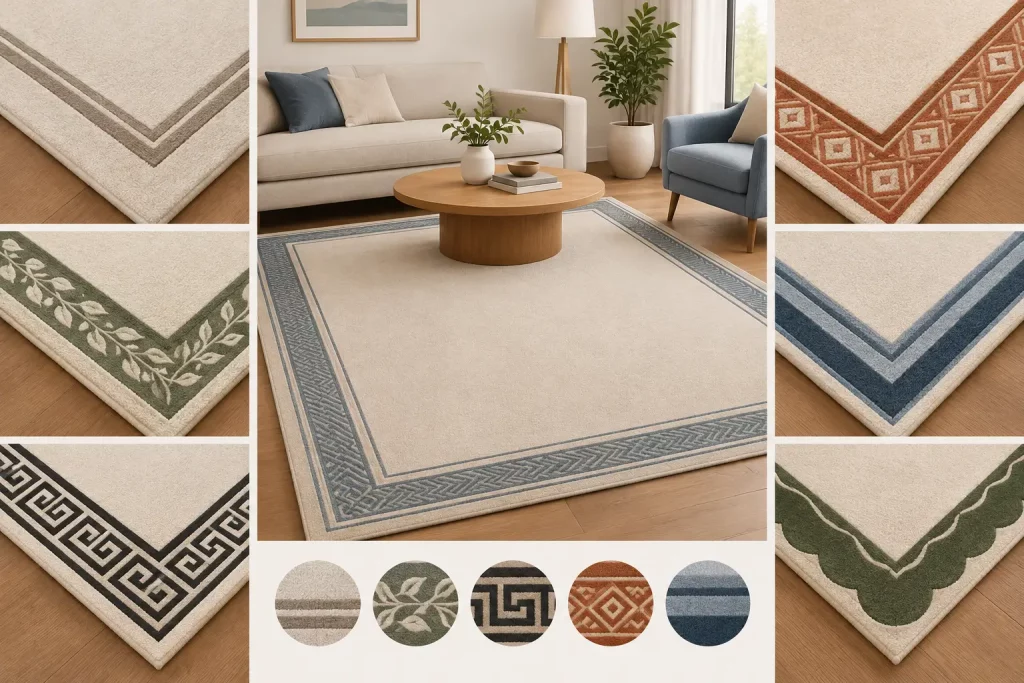
For a bespoke rug, the backing and edge finish deserve equal attention. The perimeter should be clean, accurately shaped and securely finished to suit the chosen design. A plain rug with a carefully colour-matched binding can look wonderfully understated. A contrasting border, meanwhile, can frame the piece and pick up a detail from curtains, paintwork or furniture. The best choice depends on whether the rug should quietly support the scheme or become a deliberate focal point.
Colour Matching Is a Mark of Better Bespoke Rug Quality
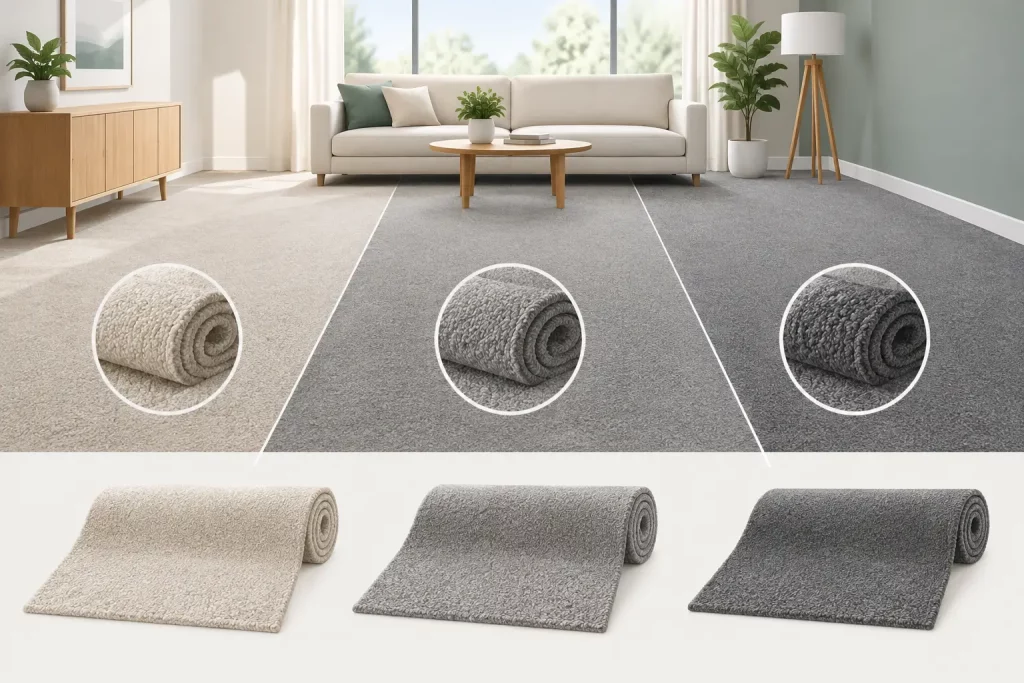
A near-match is not always enough. In a carefully planned interior, a rug that is slightly too cool, too yellow or too dark can alter the balance of the entire room. This is why a broad colour range and the ability to colour match are central to bespoke rug quality, rather than optional extras.
Viewing samples in the property is essential. Daylight shifts throughout the day, and artificial lighting can change the apparent depth of a colour significantly. A warm grey may look elegant beside a sofa in morning light but appear flatter under evening lamps. Samples allow homeowners and designers to assess the colour alongside paint, timber, fabrics and finishes before manufacture begins.
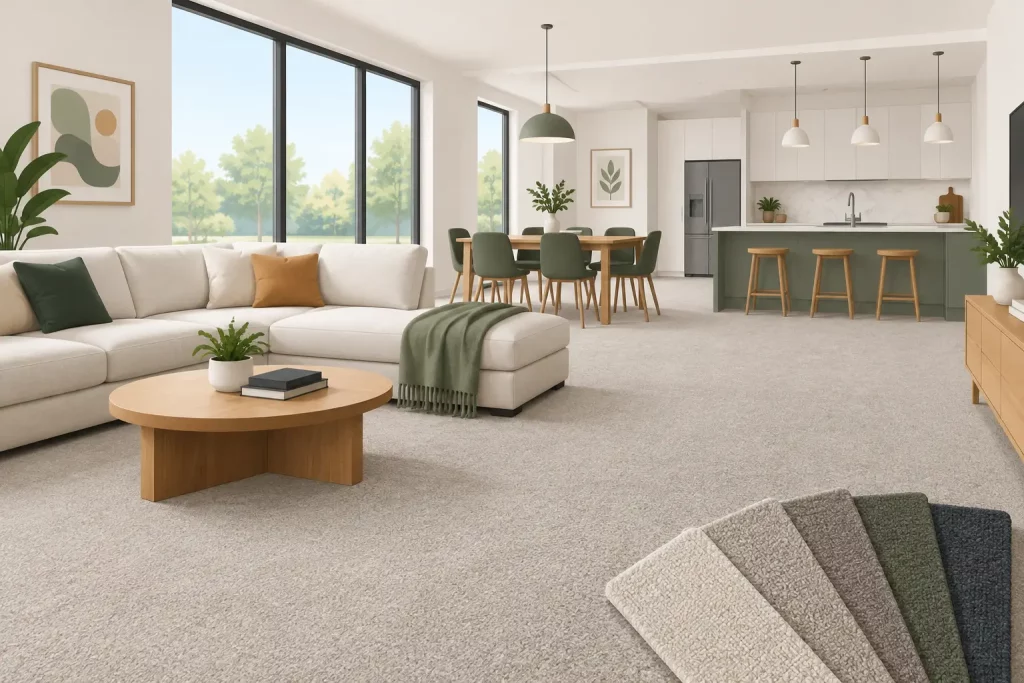
With more than 3,000 colour options available, it is possible to coordinate a rug closely with an established scheme without settling for the nearest standard shade. This is especially valuable when a room includes custom upholstery, patterned wallpaper or a distinctive accent colour that deserves to be echoed with precision.
Proportion Has a Greater Effect Than Most People Expect
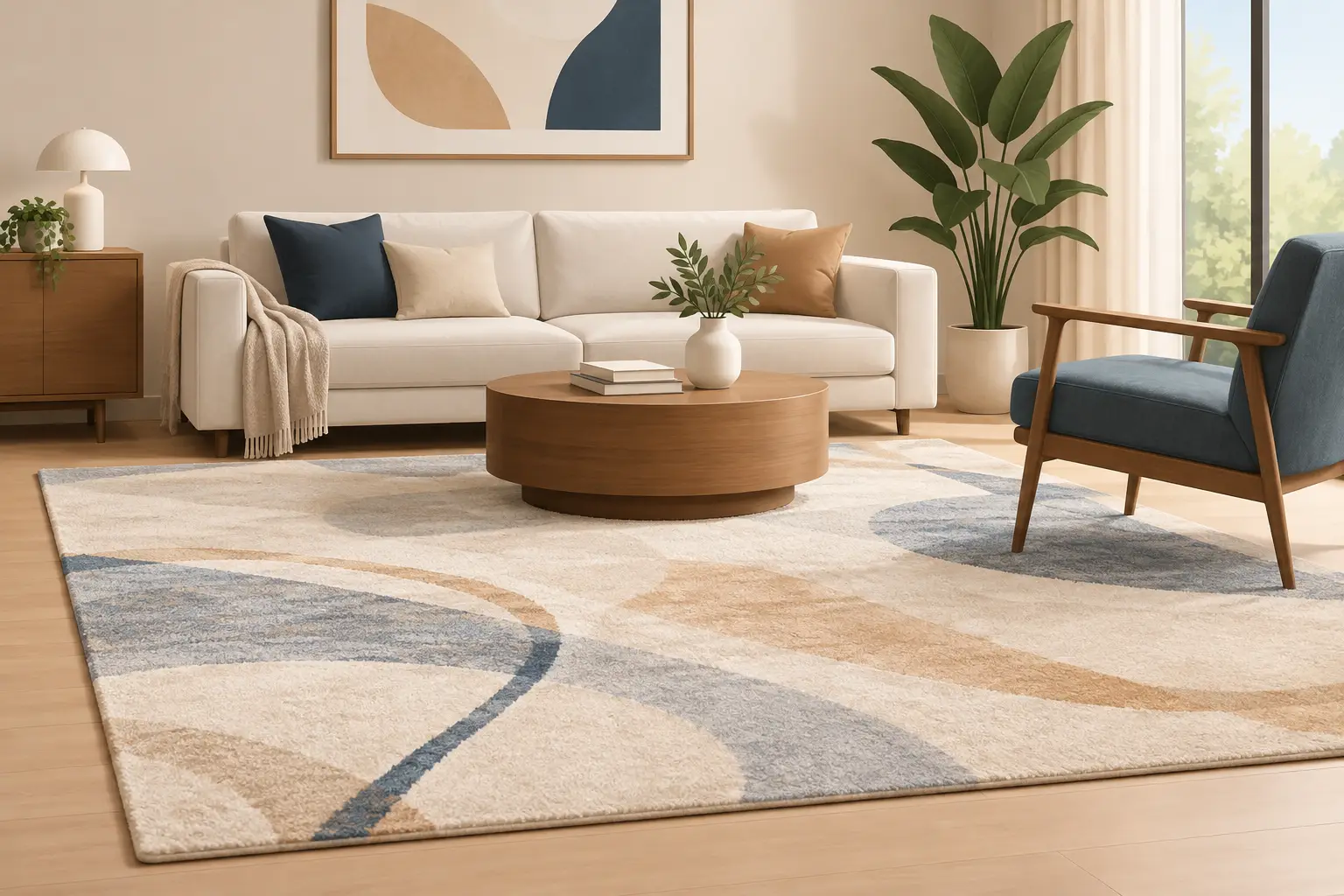
Even the finest wool cannot compensate for a rug that is the wrong size. In a living room, the rug should usually unite the seating arrangement rather than float in the middle of the floor. Depending on the layout, the front legs of sofas and chairs may sit on the rug, or the whole arrangement may be fully positioned on it. The decision is practical as well as visual: a larger rug often makes the room feel calmer and more generous.
Dining room rugs need enough allowance for chairs to remain on the surface when pulled back from the table. In bedrooms, the rug may extend around the sides and foot of the bed, creating a soft landing when getting up. There is no single formula that suits every room, which is why a proper measure and design discussion are so useful before an order is placed.
Bespoke manufacture removes the restrictions of standard roll widths and retail rug dimensions. Wide-width production can also avoid visible joins in larger pieces, producing a more refined result. A continuous surface is particularly important in open-plan rooms and large reception spaces, where a join can interrupt both the pile and the visual flow of the design.
Why Professional Measuring and Fitting Matter
A rug may appear simple to place, but accuracy is what separates a polished result from an expensive disappointment. Alcoves, fireplaces, bay windows, hearths and irregular walls all affect the final shape. If the rug is intended to sit within a particular area, a few centimetres can make the difference between an intentional border of exposed floor and an awkward gap.
Professional measurement reduces that risk. It also gives the opportunity to discuss pile direction, border widths, practical access and whether a rug needs an underlay beneath it. Underlay can improve comfort, help the rug sit more securely and protect both the rug and the floor below. It should be selected to suit the surface, whether the rug is placed on timber, stone, tile or fitted carpet.
Fitting is not merely the final task. It is part of the quality of the finished product. Accurate positioning, careful handling and a tidy edge detail ensure the rug looks considered from the moment it is installed. When one specialist manages the survey, quotation, manufacture and fitting, there is clear accountability throughout the project and less opportunity for misunderstandings between separate suppliers.
Quality Should Also Mean Clear Value
A bespoke rug is an investment, but higher quality does not have to mean inflated retail pricing. Factory-direct manufacture can provide genuine value because the product is made for the customer without unnecessary middlemen, stockholding or off-the-roll waste. Producing to plan also means less material is discarded simply because a standard size does not suit the room.
When comparing quotations, check what is actually included. The headline price may not cover measuring, underlay, delivery, fitting or the finishing details that make a bespoke rug complete. A transparent square-metre price that includes underlay and professional fitting is easier to assess than a low initial figure followed by additions later in the process.
It is also sensible to ask for samples before committing. Quality is best assessed in person: feel the pile, examine the colour in your own lighting and consider it beside the materials already chosen for the room. A no-pressure discussion should leave you confident in the specification, not rushed into a decision.
For homeowners and interior designers, the strongest result comes from treating a rug as an integral part of the scheme rather than a finishing purchase. Colourmatched Custom Carpets can help bring that decision together with free measuring, design advice, samples and professional fitting throughout the UK. Choose the size with the furniture in place, take time over the colour, and let the material earn its place underfoot for years to come.