A plain carpet should never look like a compromise. When the colour, pile, width and finish are chosen for the room rather than taken from a standard roll, bespoke plain carpets create the calm, polished foundation that a well-planned interior needs. They allow the furniture, artwork and architecture to do the talking, while still bringing warmth, softness and unmistakable quality underfoot.
For homeowners and interior designers, the real advantage is control. A bespoke carpet can be made to the exact dimensions of the room, matched to a particular paint, fabric or wallpaper tone, and supplied without the unnecessary joins, waste or hidden extras often associated with conventional retail flooring.
Why Bespoke Plain Carpets Look Different
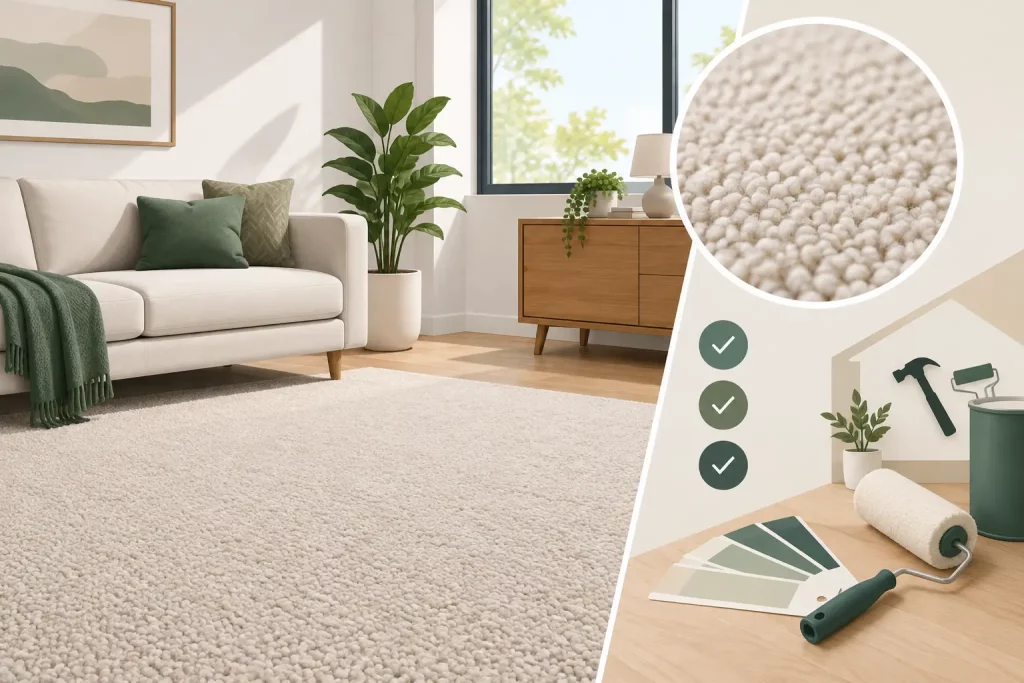
Plain does not mean ordinary. A single-colour carpet places greater emphasis on texture, depth of colour and fitting quality because there is no pattern to distract the eye. In a living room, bedroom, dressing room or staircase, the surface needs to sit beautifully across the whole space and meet the edges of the room with precision.
Standard carpet widths can force a compromise. If a room is wider than the available roll, a join may be necessary. Even when carefully fitted, that join can catch the light differently and interrupt an otherwise refined floor. Bespoke manufacture in widths up to 35 feet means a large room can often be carpeted in one continuous piece, giving a far cleaner visual result.
Made-to-plan production also avoids paying for broad offcuts that are not needed. Rather than selecting the nearest roll width and accepting the waste, the carpet is produced for the dimensions agreed at survey. This is particularly valuable in large open-plan rooms, wide bedrooms, loft conversions and properties with unusual angles.
Selecting the Right Wool Carpet Quality
The finish of a plain carpet starts with its fibre and construction. Both have a direct effect on appearance, feel and suitability for the way a room is used.
Pure new wool deep-pile velvet
A 100% pure new wool deep-pile velvet carpet offers a rich, luxurious appearance and exceptionally soft feel. Its close, cut pile reflects light in subtly different directions, giving the colour depth and a gentle tonal movement as you walk across it. This makes it a particularly strong choice for bedrooms, formal lounges and other rooms where pure luxury underfoot is central to the scheme.
Velvet does show shading and footprints more readily than a twist carpet. That is part of its character, not a fault, but it is worth considering before choosing it for a particularly busy family area. In the right setting, its elegant surface is difficult to equal.
80/20 wool-nylon deep-pile twist
An 80/20 wool-nylon deep-pile twist combines the natural comfort and warmth of wool with added resilience from nylon. The more textured construction is highly practical for hallways, stairs, family rooms and heavily used bedrooms, while still providing a substantial, luxury finish.
A twist pile is generally more forgiving of day-to-day traffic and vacuum marks than velvet. It may not have quite the same formal sheen, but for many homes it offers the best balance of comfort, durability and appearance. The right answer depends on the room, the amount of use and the look you want to achieve.
Colour Matching That Belongs in the Scheme
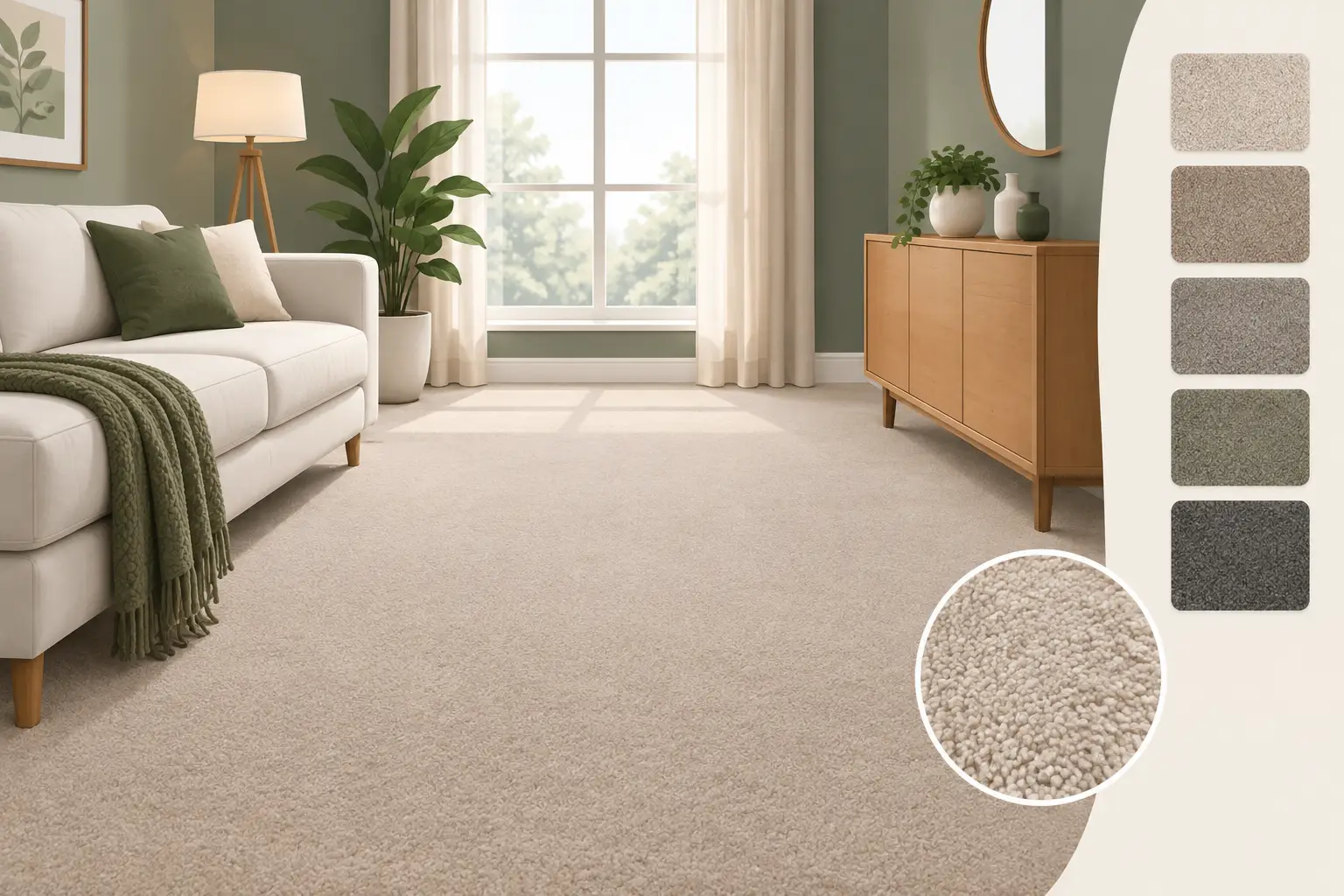
Choosing a neutral carpet from a small retail display can be surprisingly difficult. Greys can lean blue or green, creams can look yellow under warm lighting, and taupes can appear entirely different beside timber, stone or painted cabinetry. A colour that looks right in a showroom may feel wrong once it is laid across a full room.
With more than 3,000 colour options, a bespoke approach gives far greater scope to find the correct balance. The carpet can be selected to complement a wall colour, curtain fabric, upholstered headboard or existing rug, rather than merely being the closest available option.
Samples are essential here. They should be viewed in the actual room during the day and in the evening, placed beside the finishes that will remain in the space. Natural light, artificial lighting and the direction of the pile all influence how a colour reads. A no-pressure sample process gives you the time to make that decision with confidence.
For an interior designer, this level of colour control helps maintain continuity from room to room. For a homeowner, it means the new carpet feels considered from the first step through the door, rather than like an afterthought added at the end of the project.
The Value of a Proper Survey and Made-to-Plan Service
A bespoke carpet order relies on accurate measurement. This is not simply a matter of measuring the widest and longest points of a room. Door thresholds, fireplaces, bay windows, fitted wardrobes, hearths, stair details and changes in floor level all need to be accounted for before manufacture begins.
A free home survey provides the opportunity to discuss these details properly. It also allows practical questions to be settled before fitting day: whether existing flooring needs removing, how the carpet will meet adjoining floors, which direction the pile should run and whether a particular doorway requires a neat transition.
The service should continue beyond measurement. Design advice, a clear quotation, manufacture, supply and professional fitting need to be managed as one process. When separate companies handle each stage, responsibility can become unclear if something does not go to plan. Working directly with the manufacturer gives one accountable point of contact from first conversation to final fitting.
At Colourmatched Custom Carpets, the stated square-metre price includes underlay and fitting, so the quotation is easier to assess on a like-for-like basis. Underlay is not an optional detail to be added at the last minute. It affects comfort, insulation, sound reduction and the way the carpet performs over time. A quality carpet deserves the right foundation beneath it.
Where a Plain Carpet Makes the Greatest Impact
In bedrooms, a deep-pile plain carpet brings warmth to the first and last moments of the day. It softens a room with painted furniture, timber beds and layered fabrics without making the scheme feel busy.
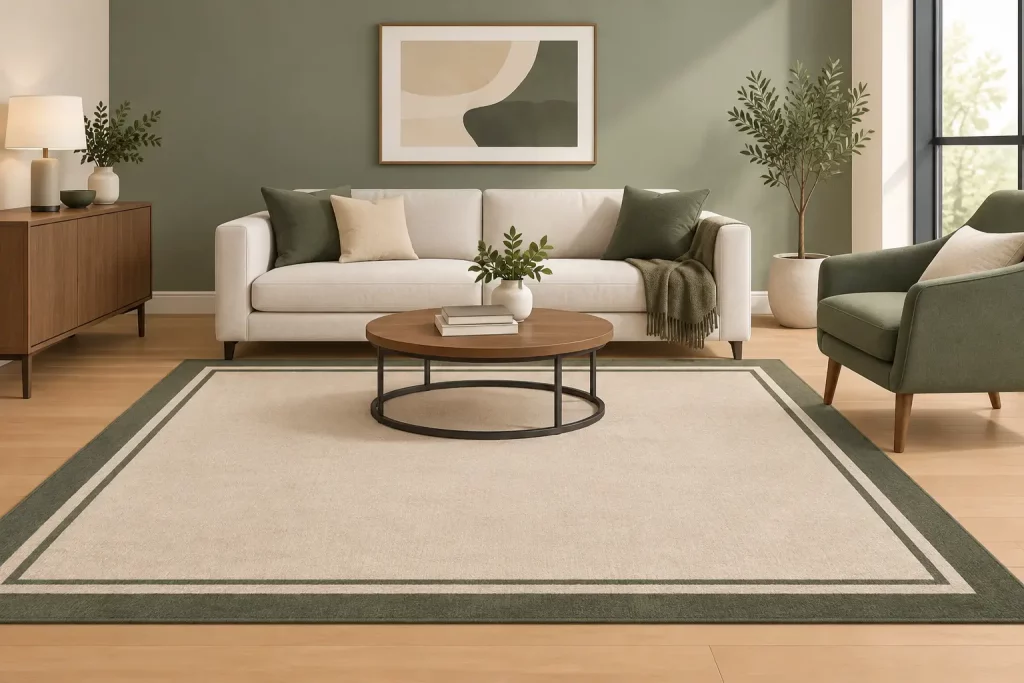
In a drawing room or formal lounge, a colour-matched wool velvet can give the room a composed, tailored character. This is especially effective where the space includes strong curtains, statement furniture or carefully selected artwork. The carpet supports the room rather than competing with it.
On stairs and landings, plain twist carpet can make the route through the house feel more cohesive. The material needs to be chosen with traffic in mind, but a carefully selected wool twist offers a far more substantial finish than a standard budget alternative. The same carpet can often continue into bedrooms and corridors, helping the property feel connected.
Large rooms are where bespoke width becomes especially valuable. An uninterrupted expanse of carpet allows the eye to travel across the floor without visible breaks. For a premium renovation, that detail can make a considerable difference to the finished impression.
Questions to Ask Before You Choose
Before confirming a colour and quality, consider how the room will be lived in. Is it a peaceful principal bedroom or a busy household hallway? Will the carpet sit beside a light stone floor, dark woodwork or bold upholstered furniture? Is a soft velvet appearance more important than a more resilient twist construction?
It is also sensible to ask what is included in the quoted price. A low initial figure can change once measuring, underlay, delivery, waste, grippers and fitting are added. Factory-direct pricing is most valuable when it is transparent, with the material and professional installation considered together from the outset.
Finally, do not rush the sample stage. A bespoke floor is made for your home, so it is worth checking the pile, colour and feel in the setting where it will live. Once those choices are right, a beautifully fitted plain carpet does more than cover the floor – it gives the entire room a quieter, more finished sense of purpose.