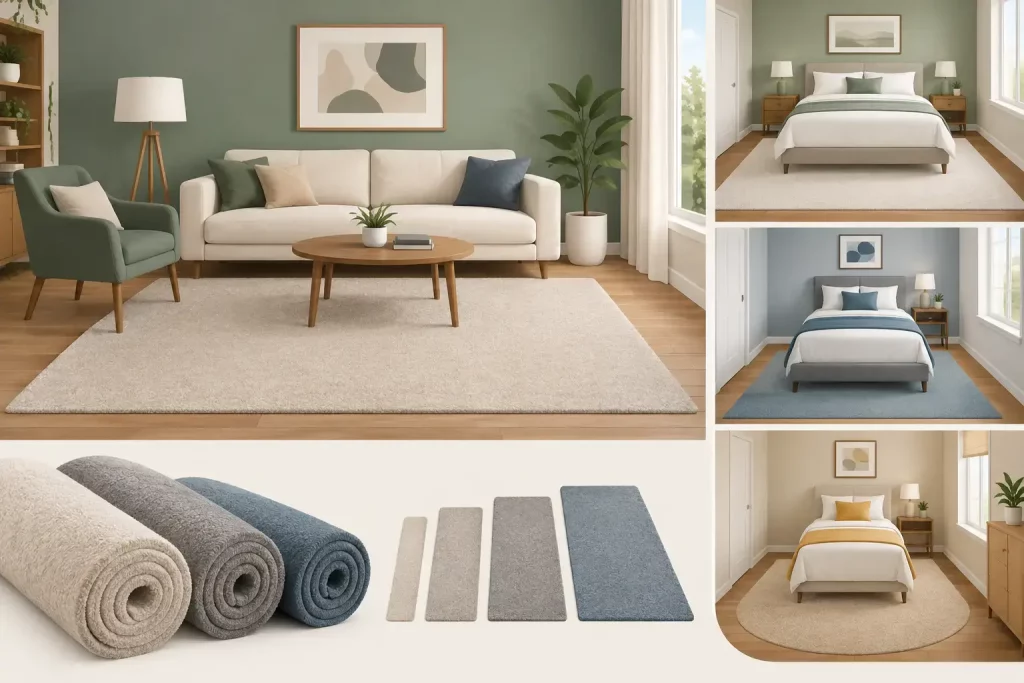
A beautiful carpet is judged every day, not just when it is first fitted. It has to recover after furniture is moved, feel comfortable underfoot, resist the steady traffic of family life and continue to complement the room as the years pass. This guide to carpet fibre durability explains what really determines performance, so you can choose a luxury carpet with confidence rather than relying on a label alone.
For a bespoke project, durability is never simply about choosing the toughest fibre available. The right answer depends on the room, the type of pile, the quality of manufacture, the underlay beneath it and the standard of fitting. A formal drawing room and a busy hall place very different demands on the floor, and a carefully specified wool carpet can give many years of excellent service in either setting.
What Carpet Fibre Durability Really Means
Carpet durability describes how well a floor covering retains its appearance and structure in normal use. This includes resistance to flattening, crushing, shading, abrasion and visible wear paths. It also means the carpet should remain secure at edges and thresholds, lie smoothly across the room and continue to feel substantial underfoot.
Fibre is central, but it is not the whole story. Two carpets made from similar materials can perform quite differently if one has a denser pile, a stronger backing or has been fitted over poor underlay. The finish matters as well. A deep, luxurious pile offers a wonderful feel, yet it needs the right construction and the right setting to keep its appearance at its best.
The useful question is not, “Which fibre lasts longest?” It is, “Which carpet construction is right for this room and the way we live in it?” That is where an informed survey and samples viewed in your own light make a genuine difference.
Wool: Natural Resilience With Lasting Appeal
Pure new wool has long been valued for its natural spring and warmth. Each wool fibre has a natural crimp, allowing it to recover after being compressed by footfall and furniture. This resilience is one reason a well-made wool carpet remains a popular choice for principal rooms, bedrooms and refined interiors where texture and comfort matter as much as practical performance.
Wool also has a character that synthetic fibres do not simply replicate. It absorbs and releases moisture from the atmosphere, helping it feel comfortable through changing seasons, while its natural matt finish gives colour real depth. For a client planning a colour-led interior, this is particularly valuable: the carpet can look rich and considered rather than flat or overly uniform.
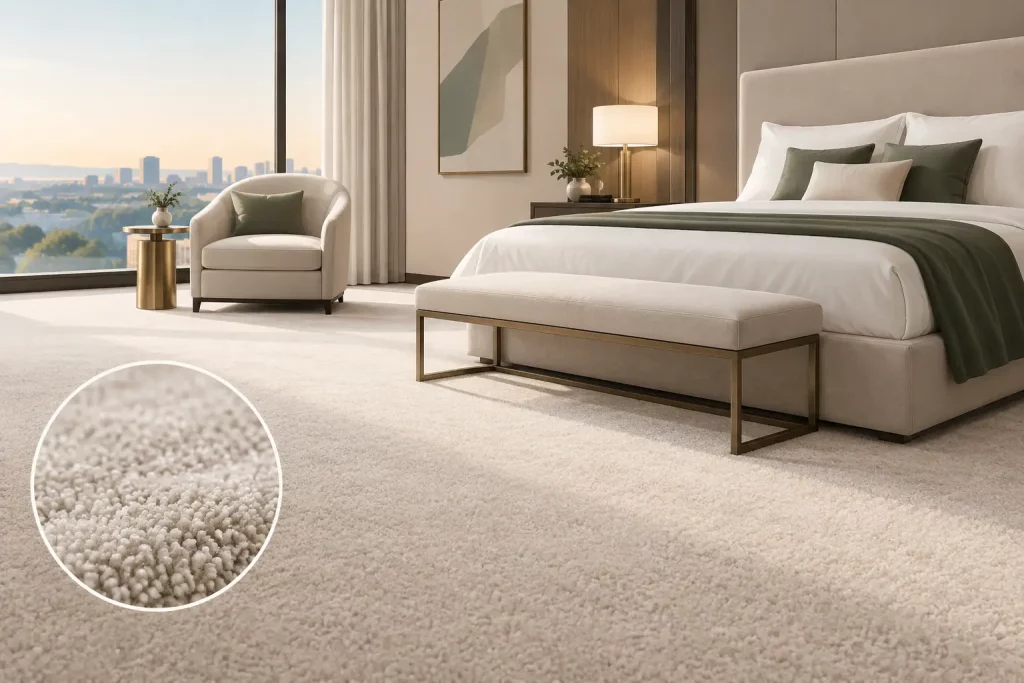
A 100% pure new wool deep-pile velvet carpet is the choice for pure luxury underfoot. Velvet pile has a close, refined surface and a particularly elegant appearance, making it very well suited to bedrooms, dressing rooms, formal lounges and quieter spaces. As with all velvet carpets, changes in light and direction of pile can create shading or tracking. This is an inherent feature of the construction, not a fault, and often enhances the carpet’s luxurious character.
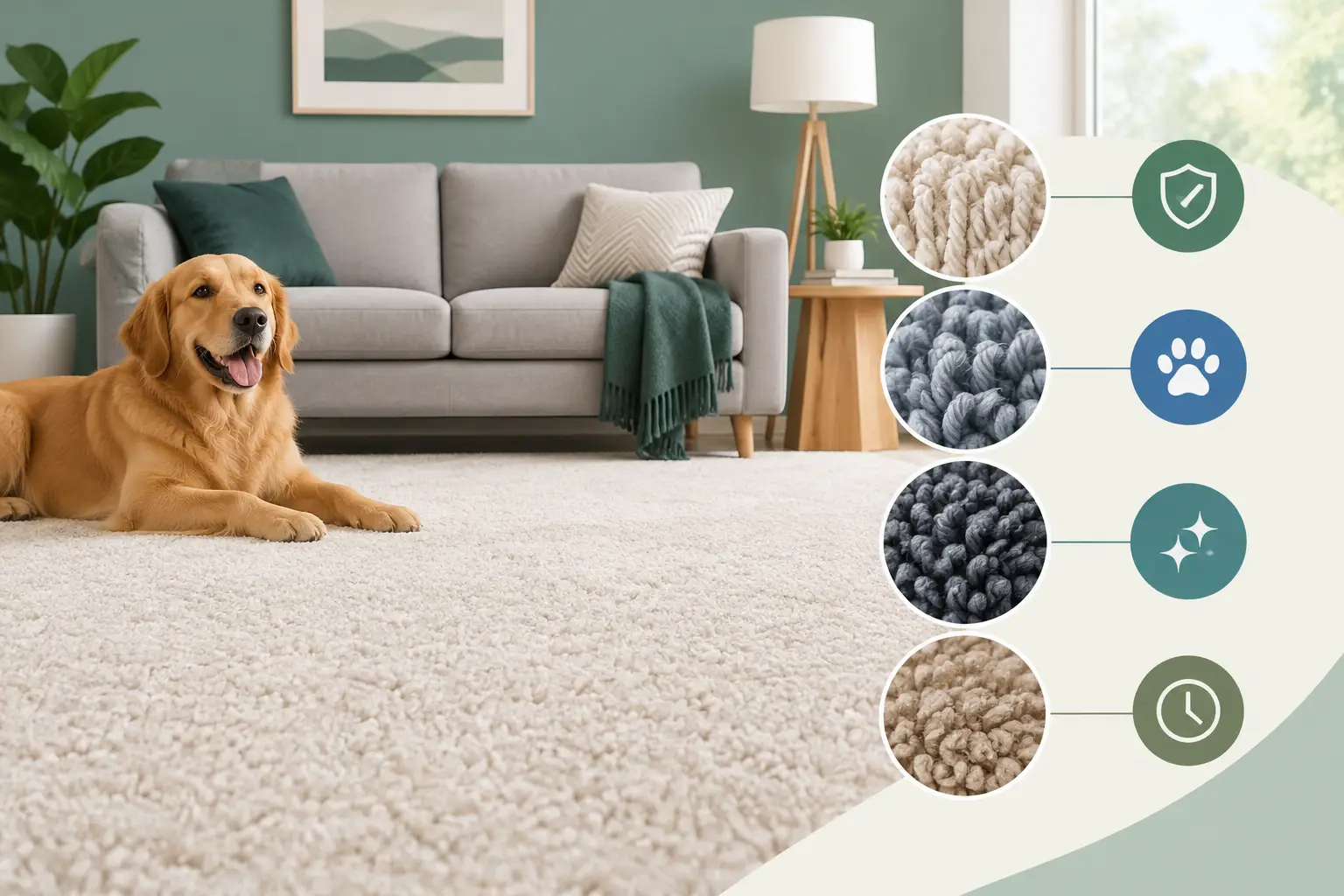
Pure wool does need appropriate care. Prompt attention to spills, regular vacuuming with the correct setting and professional cleaning when required will protect its appearance. In very busy entrance areas or homes with energetic pets and young children, a wool blend may offer a more practical balance.
Why an 80/20 Wool-Nylon Twist Suits Busy Rooms
An 80/20 wool-nylon blend combines the natural quality of wool with the added strength of nylon. The wool provides warmth, softness and a high-quality appearance, while nylon supports the pile’s ability to resist crushing and abrasion. It is a proven specification for areas where the carpet must work harder without losing its sense of comfort and luxury.
Deep-pile twist carpets have a more textured, practical surface than velvet. Their twisted yarn construction helps to disguise everyday footprints and light marks, which can make them especially appropriate for stairs, hallways, landings, family rooms and frequently used sitting rooms. That does not mean they are solely functional. In the right colour and weight, a wool-nylon twist still delivers a substantial, tailored floor with a pleasingly soft feel.
There is a trade-off to understand. A twist pile will not produce the same smooth, formal surface as a velvet, while a velvet will show pile direction more readily than a twist. Neither is automatically better. The correct choice follows the room’s use, the desired finish and your tolerance for visible tracking.
A Guide to Carpet Fibre Durability Beyond the Fibre
When comparing samples, look beyond the fibre percentage. Pile density, pile weight, twist level and backing all influence how a carpet performs. A dense carpet generally offers more support to each tuft, helping it stand up to regular footfall. A properly twisted yarn has greater definition and can be more resistant to untwisting and flattening over time.
Colour also affects how a carpet lives in a room. Very pale shades can look magnificent but may show marks sooner in an active household. Very dark plain colours can reveal lint or light dust. Mid-tones, heathered effects and carefully chosen neutral shades are often forgiving, particularly on stairs and in circulation areas. The advantage of bespoke manufacture is that practical considerations do not have to force a compromise on your scheme. With a wide choice of colours, you can find a tone that works with the room rather than settling for what happens to be held in stock.
The width of the carpet deserves equal attention. Joins can interrupt an otherwise elegant floor and may become more noticeable as light changes across the room. Manufacturing to your plan, including wide widths where required, reduces unnecessary joins and avoids the waste that often comes from buying standard off-the-roll carpet. The result is a cleaner, more refined installation, particularly in large open rooms.
Underlay and Fitting Protect Your Investment
A luxury carpet cannot show its best qualities over inadequate underlay. Good underlay supports the pile, improves comfort, adds insulation and reduces the stress placed on the carpet as people walk across it. In practical terms, it helps the carpet feel fuller and can contribute to a longer service life.
Professional fitting is just as important. Carpet should be accurately measured, properly stretched and securely finished around doorways, stairs, hearths and perimeter edges. Poor fitting can lead to ripples, premature wear at thresholds and a finish that looks less precise than the room deserves. For bespoke carpet, this level of control should extend from the first measurement through to the final installation.
At Colourmatched Custom Carpets, our service covers free measurement, design advice, manufacture, underlay and professional fitting, with stated square-metre prices that include the essentials rather than concealing costly extras. It gives homeowners and interior designers one accountable specialist from the initial idea to the finished floor.
Choosing by Room, Not by Guesswork
Bedrooms usually allow the greatest freedom. A deep-pile pure wool velvet can be a superb choice where soft texture and a calm, luxurious finish are the priority. In a main living room, either wool velvet or an 80/20 twist can work well, depending on the amount of use and the style of the interior.
For hallways, stairs and landings, an 80/20 wool-nylon twist is often the sensible option because these areas receive concentrated traffic. It is also worth considering a complementary border or stair runner design where a tailored detail will frame the space and protect the visual balance of the scheme. Dining rooms sit somewhere in between: a carefully chosen wool carpet is perfectly possible, but the household’s approach to spills and dining use should guide the final specification.
For a whole-floor project, consistency matters. Selecting related constructions and colours across connected rooms can make the home feel composed, while allowing the pile type to change where practical demands change. Samples should be viewed beside paint, fabrics, timber and daylight before a final decision is made. Colour and pile can appear different under evening lamps than they do in a bright south-facing room.
Care That Keeps Carpet Looking Its Best
Durability is supported by straightforward routine care. Vacuum regularly, using a setting suitable for the pile, so grit does not work its way into the carpet. Deal with spills promptly by blotting rather than rubbing, and avoid harsh household treatments that may affect the fibres or leave a residue that attracts soil. A professional clean at sensible intervals can refresh the pile, especially in high-use areas.
Furniture cups or glides can reduce pressure marks beneath heavy pieces. When rearranging a room, lift furniture rather than dragging it across the carpet. These small habits protect both the pile and the finish at the edges.
The most durable carpet is the one specified honestly for the room, made well and fitted properly. Take time to handle samples, discuss how each space is used and choose a construction that gives you the look you want without asking it to do a job it was never designed for.