A rug that is only slightly too small can make an otherwise beautifully planned room feel unfinished. It may leave an awkward strip of exposed floor around a seating area, stop short of the dining chairs, or introduce a colour that does not quite belong. When weighing up custom rugs versus standard sizes, the real question is not simply what will fit in the room. It is what will make the room feel considered, balanced and complete.
For many homes, a standard rug is perfectly practical. Yet where proportions are unusual, furnishings are carefully chosen or a scheme depends on a particular colour, a made-to-measure rug offers a noticeably more refined result. The difference lies in control: control of dimensions, material, border detail and the finished appearance underfoot.
Custom rugs versus standard sizes: the difference in the room
Standard rugs are made to familiar retail dimensions such as 120 x 170 cm, 160 x 230 cm or 200 x 300 cm. They can be an efficient choice for a small occasional area, a first home, or a room where the layout is straightforward and the rug is not intended to define the whole scheme. If one of those sizes happens to suit the space, there is no reason to dismiss it.
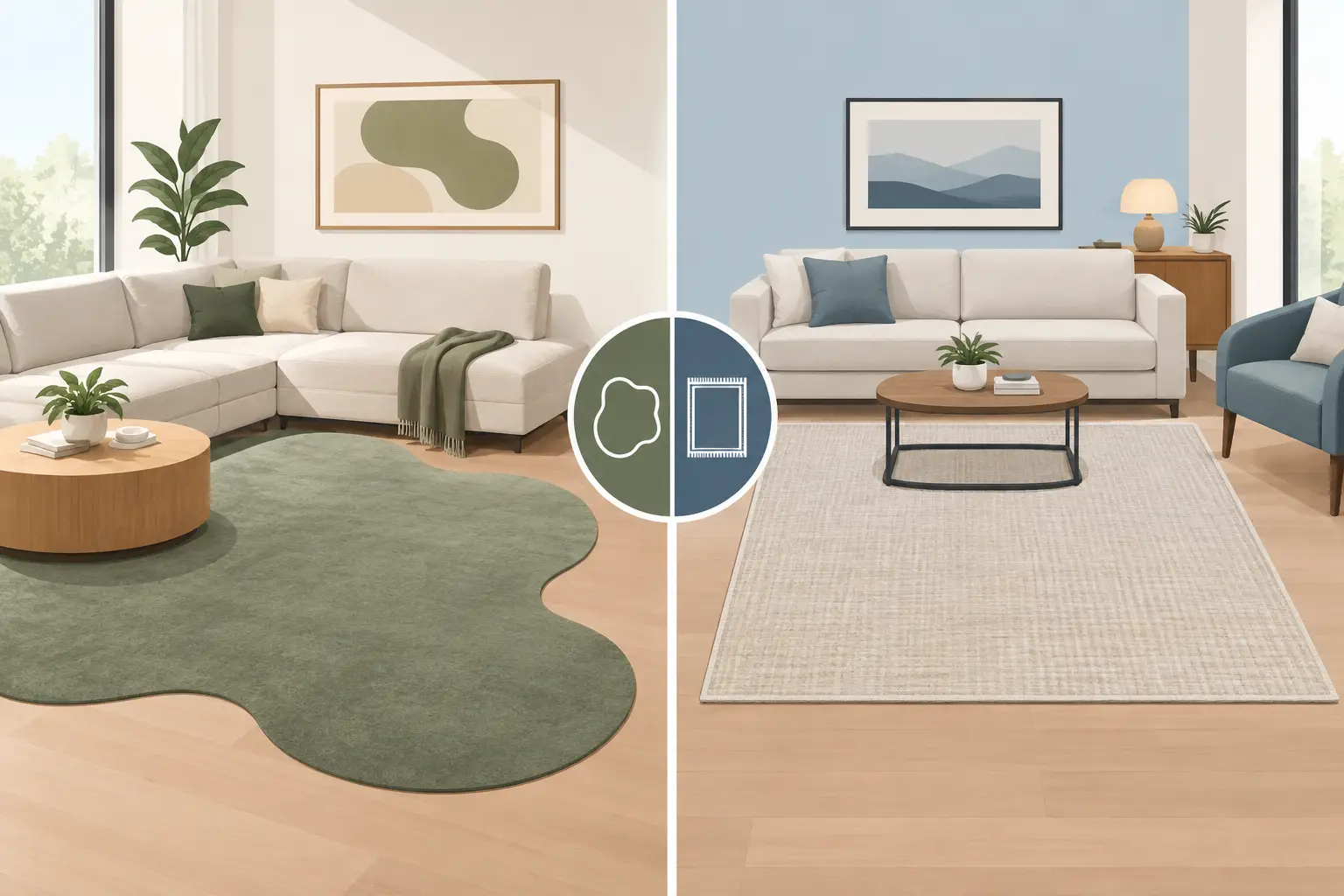
The limitation appears when the room does not follow the same neat proportions. A large sitting room may need a rug wide enough for every front furniture leg to sit comfortably on it. A long drawing room may call for a shape that follows the seating arrangement rather than the room perimeter. In a dining room, chairs should remain on the rug when pulled back from the table. Standard sizes often force a compromise in these situations.
A custom rug is produced to the dimensions that work for your furniture and your floor plan. It can fill a wide seating zone without looking undersized, sit neatly within a bay, or create the correct clearance around an island or hearth. This is not about covering every inch of floor. It is about using proportion properly, so the rug feels deliberate rather than purchased as an afterthought.
When a standard-size rug is the sensible choice
There are occasions when an off-the-shelf rug is the right answer. A compact bedside space, a temporary decorative update or a room that is likely to be rearranged soon may not justify bespoke manufacture. Standard rugs also offer the advantage of immediate availability, which can matter when a room must be completed quickly.
They are most successful where the scale is naturally forgiving. A small rug beside a bed, in front of a fireplace or under a coffee table can work well when it has a clearly defined role. The key is to avoid choosing the size merely because it is the closest option on a shelf. A rug that is too narrow for a sofa or too short for a dining set can make expensive furniture look disconnected.
Colour and construction should also be considered. Retail ranges tend to be led by current trends, so the precise tone you need may not be available. This can be frustrating in interiors built around painted joinery, upholstery, curtains or a carefully developed palette. A near match often remains a near match once it is placed in the room.
The advantages of a made-to-measure rug
A bespoke rug removes the fixed-size restriction. Its length and width are set around the room, furniture and intended border, rather than adapted to a standard stock dimension. This makes a particular difference in generously proportioned rooms, open-plan spaces and properties with bays, alcoves or non-standard layouts.
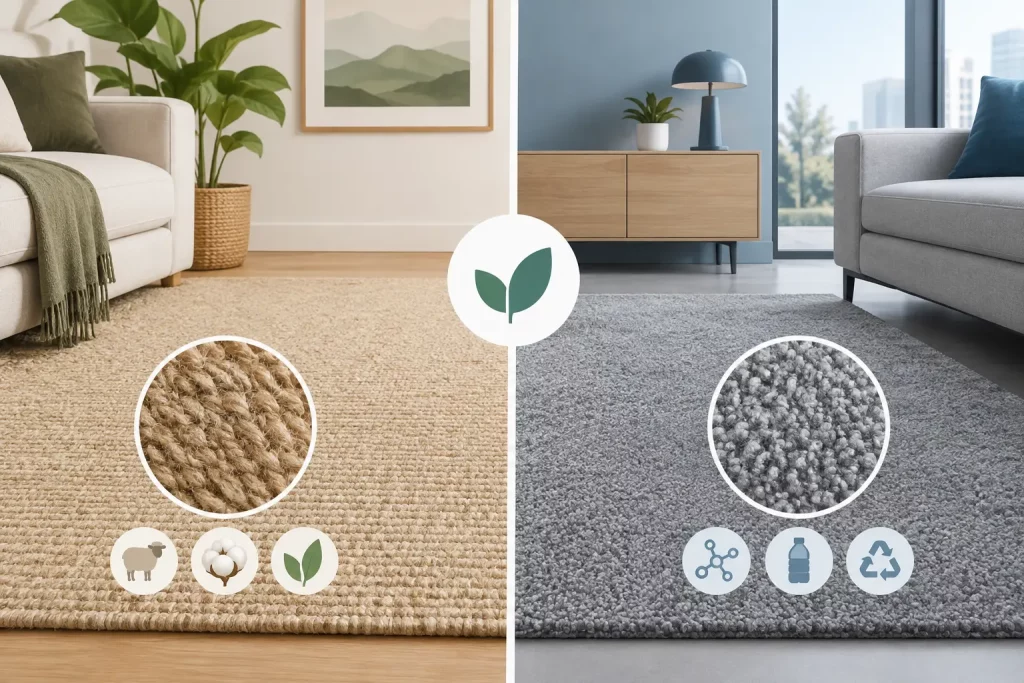
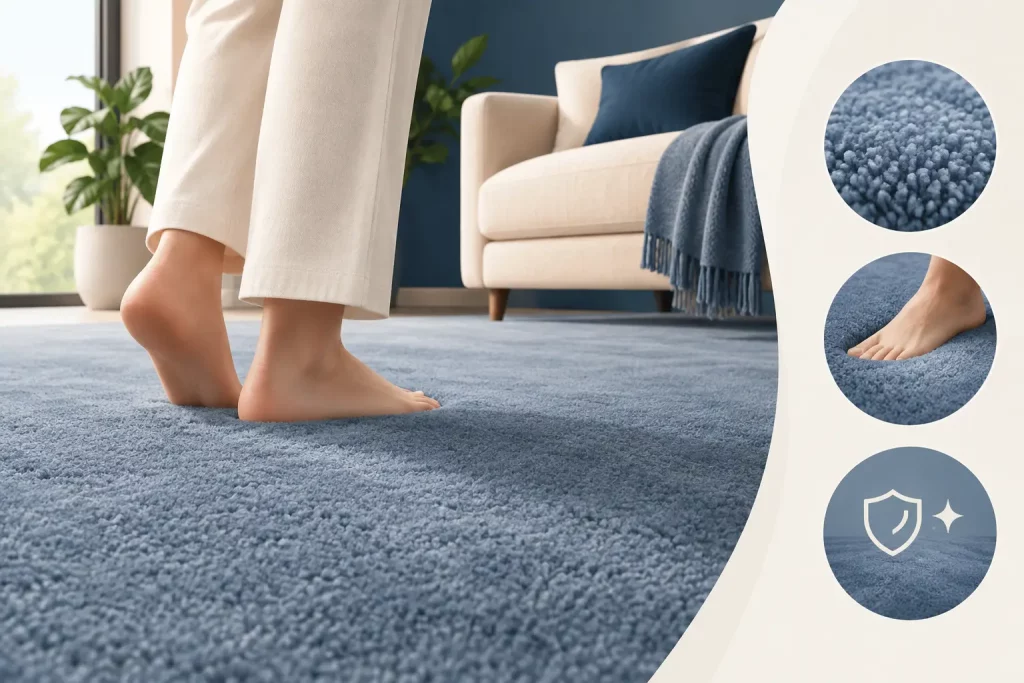
The material choice can be equally important. A deep-pile 100% pure new wool velvet brings a dense, luxurious surface and a rich response to colour, making it particularly appealing for bedrooms, formal sitting rooms and quieter areas of the home. An 80/20 wool-nylon deep-pile twist offers a hard-wearing alternative for busier family spaces while retaining the warmth, comfort and natural character that make wool so desirable.
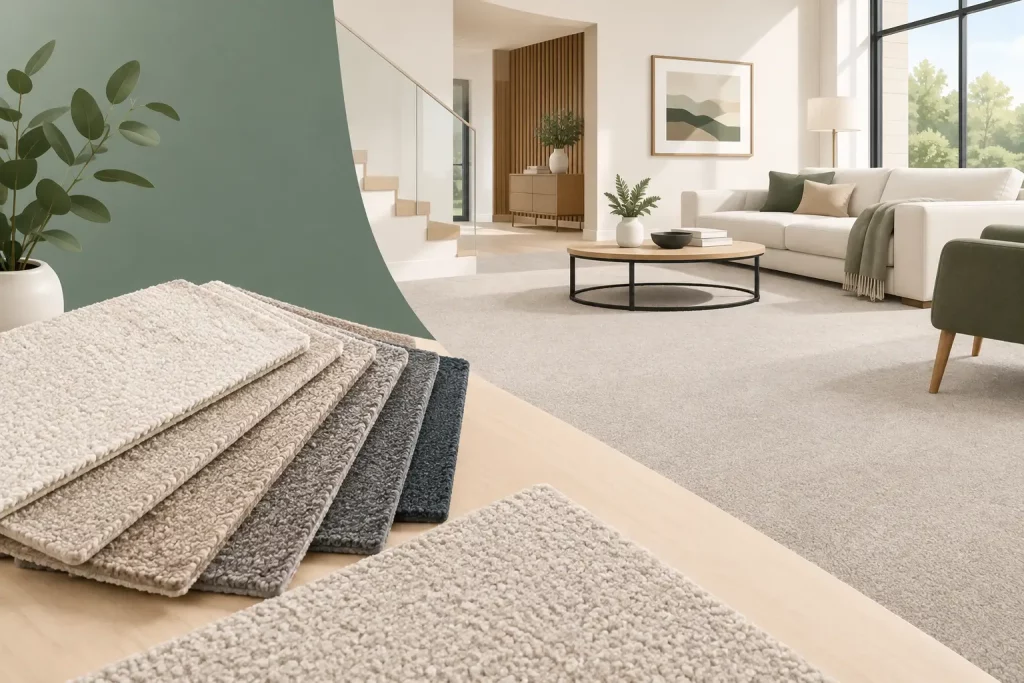
With a custom-made rug, colour need not be dictated by a limited collection. Colourmatched Custom Carpets can match from more than 3,000 colour options, allowing the rug to complement existing fabrics, wall finishes and furnishings with far greater precision. For an interior designer, this freedom makes it easier to maintain a coherent scheme. For a homeowner, it avoids settling for a tone that feels too cool, too grey or too dominant once the rug is in place.
Borders offer another opportunity to tailor the design. A simple self-border can give a plain rug a smart, framed finish, while a contrasting border can pick up an accent colour from cushions, curtains or upholstery. The border width and colour affect how large the central field appears, so they should be chosen as part of the overall plan rather than added at the end.
Getting the proportions right
The best rug size starts with the arrangement of the furniture, not a tape measure taken from wall to wall. In a living room, consider whether the rug should hold the whole seating group together or sit only beneath the coffee table. The former usually gives a more generous, composed appearance, provided there is sufficient exposed floor around the edge.
For a dining table, measure the table at its full extended size if it is regularly used that way. Then allow room for chairs to move back without catching on the rug edge. In a bedroom, decide whether the rug is intended to run beneath the bed and project at the sides and foot, or to sit as runners beside it. Both approaches can look excellent when the dimensions are purposeful.
A professional survey takes the uncertainty out of these decisions. It identifies the usable floor area, checks access and considers how the pile direction, border and room layout will read once installed.
Cost is about more than the ticket price
A standard rug can appear less expensive at first glance, particularly when it is sold as a promotional item. However, the lower initial price does not always represent better value if the rug has to be replaced sooner, does not suit the room, or leads to a compromise elsewhere in the scheme.
Bespoke pricing should be assessed on a like-for-like basis. Ask what material is being used, whether measurements are included, how the rug is finished, and whether fitting, underlay or delivery create additional charges. A made-to-plan rug also avoids paying for excess material that is cut away simply because the available roll width does not suit the required dimensions.
Factory-direct manufacture can make custom flooring more accessible than many people expect. By controlling the process from survey and design advice through to manufacture, supply and fitting, there is one accountable specialist overseeing the result. It also means customers can receive a clear quotation based on the actual project rather than a series of extras added later.
Finish matters as much as size
The appeal of a custom rug is not merely that it is larger or smaller than a shop-bought alternative. It is that the finished piece belongs in the room. The pile can be selected for the level of use, the colour can be chosen against real samples, and the edges and borders can be planned to complement the interior.
For whole-room carpet projects, bespoke manufacture has an additional advantage: wide-width production can reduce or eliminate visible joins. A continuous expanse of quality wool carpet has a calmer, more luxurious appearance than a floor interrupted by unnecessary seams. The same attention to planning carries through to rugs, where accurate cutting and finishing create crisp lines and an assured look.
Before committing, inspect samples in the actual room. Daylight, evening lighting, painted walls and surrounding textiles can all alter how a colour is perceived. A shade that looks perfect under showroom lighting may read differently beside your sofa or curtains. Taking the time to compare samples is a simple step that protects the final result.
Choosing the right route for your home
Choose a standard-size rug when the room is simple, the dimensions happen to work, and speed or flexibility is the priority. Choose a custom rug when scale, colour accuracy, wool quality and a polished finish matter more than accepting a convenient retail size.
There is no benefit in commissioning bespoke work for its own sake. The value comes when it solves a genuine design problem: a room that needs a particular proportion, a palette that needs an exact tone, or a scheme that deserves a rug made for it rather than fitted around it.
A carefully measured wool rug should feel as though it was always part of the room. Start with the furniture plan, view material and colour samples in your own light, and allow the finished dimensions to serve the space rather than a standard label.